SOUTH PACIFIC II | Episode 2
“The Passagemaking Gamefisher”
(And Ultimate Seafood Restaurant)
In Episode Two of our series, we take you more deeply into the origins of the South Pacific II and her construction heritage at Norman R. Wright & Sons, on a historic reach of the Brisbane River famous for shipwrights and sailing. We hear of her remarkable versatility as a mighty mothership, fish raiser and the “ultimate seafood restaurant” during the golden years on the Great Barrier Reef; and also examine the major works completed as part of the first of her refits in 2016.
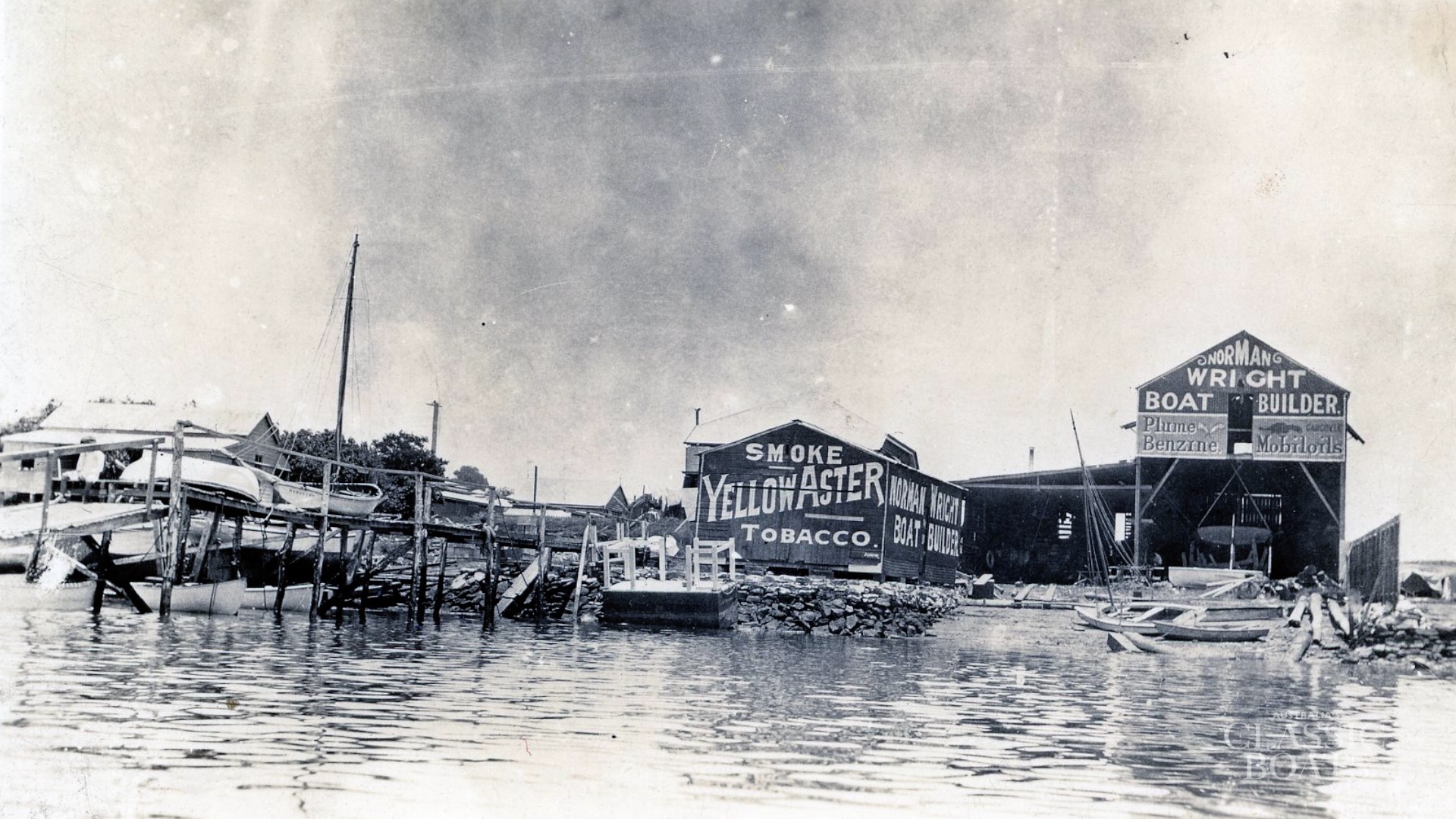
The 115 year history of Norman R. Wright & Sons parallels the longevity and resilience of its vessels. Despite a slow downstream migration, the company’s continuing presence on a famous stretch of the Brisbane River for shipwrights and sailing, endures as a bastion of Australian boatbuilding.
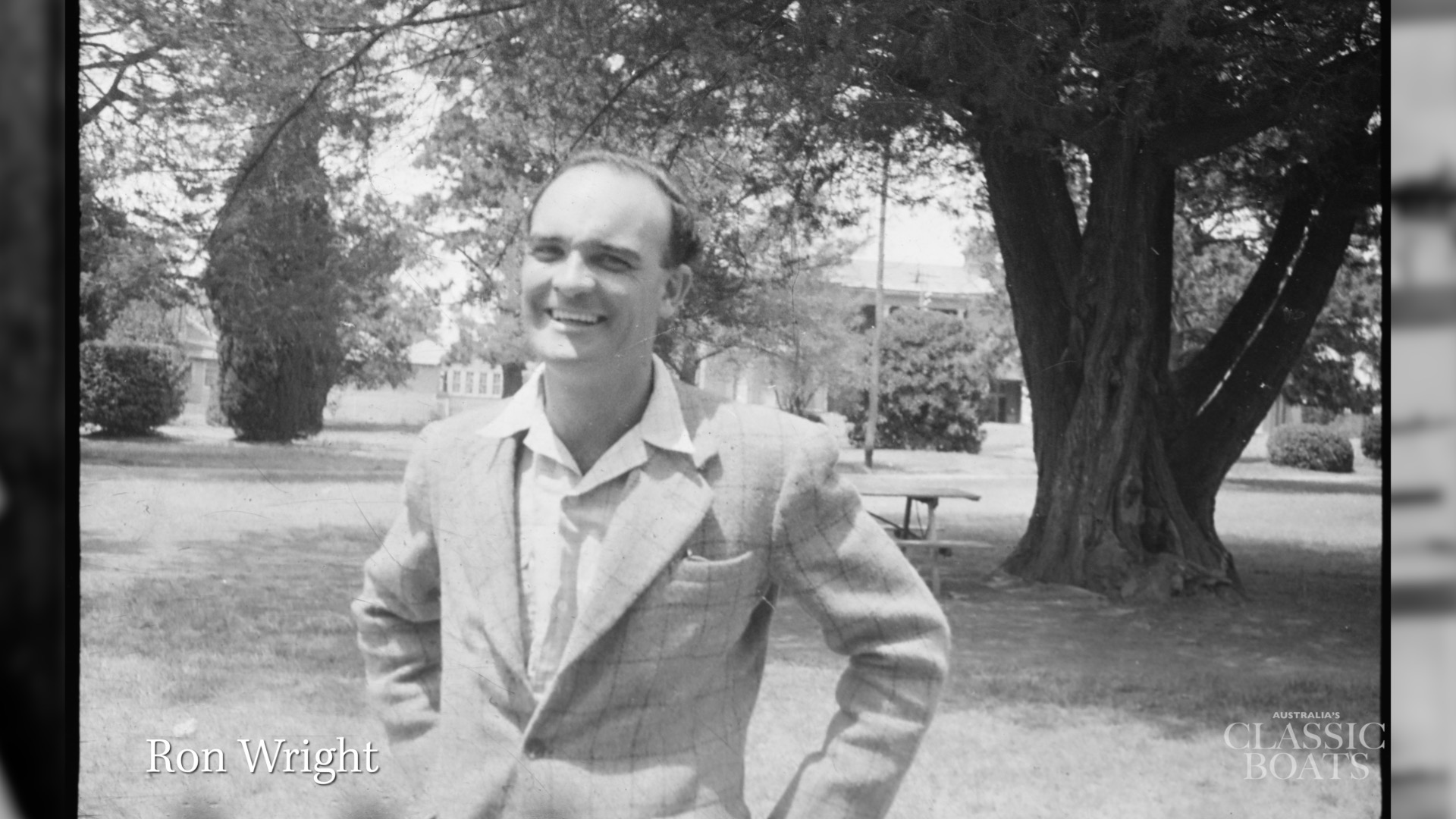
By the 1960s, Norman R. Wright was firmly placed among Australia’s finest shipbuilders and designers. Ron Wright, the second generation of family to work in the factory, was recognised as Queensland’s first officially qualified naval architect. However, new challenges had surfaced, including from breakaway companies staffed by ex-employees.
Boats such as the Beryl May and Bali Hai, firmly reinforced Norman R. Wright’s construction and technology leadership.
Bill Wright:
Everybody is on about passage makers, well, those are real passage makers, and that was 60 or 70 years ago, we’ve been building passage makers before it became a trendy term.
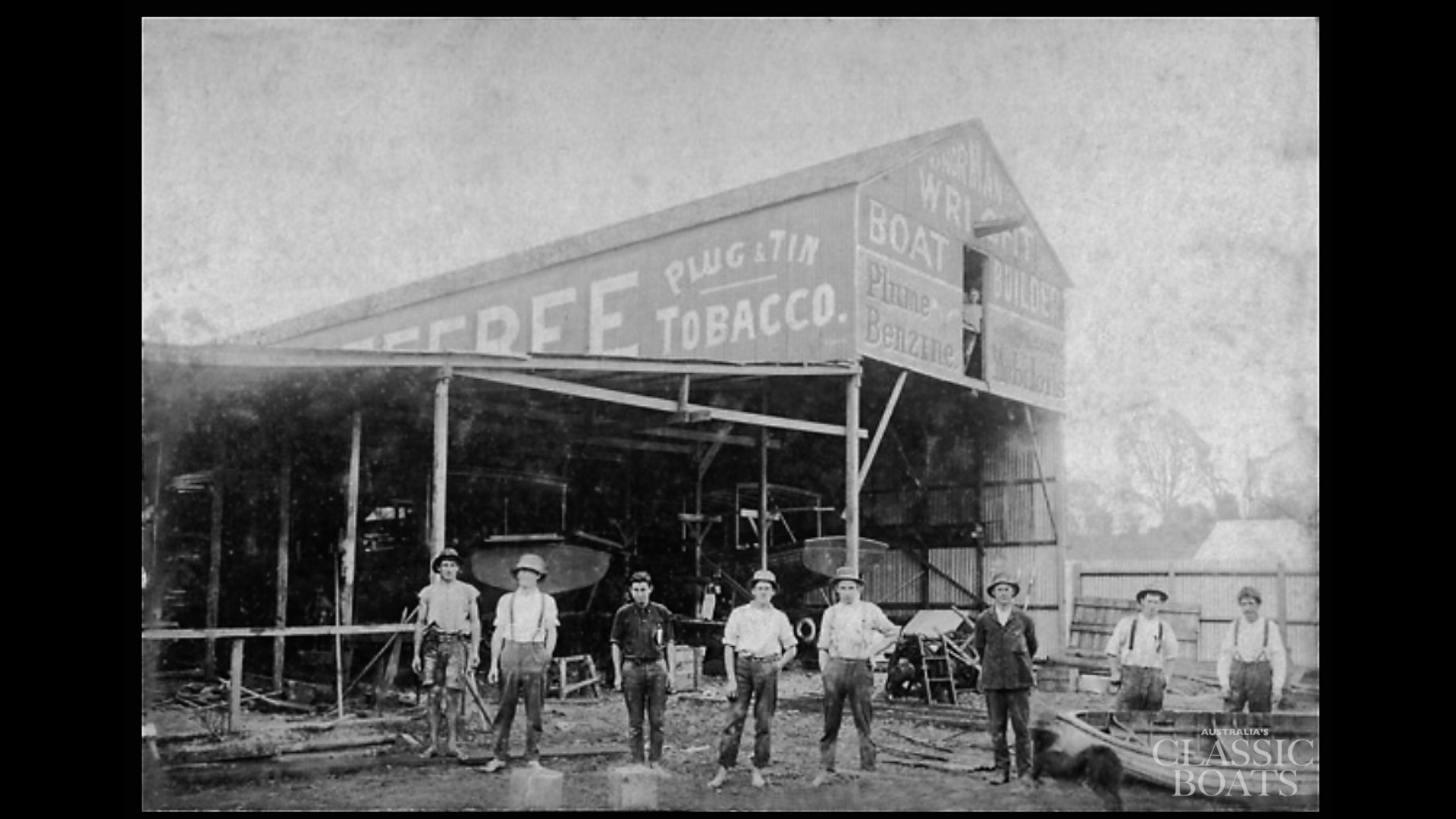
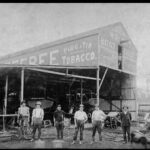
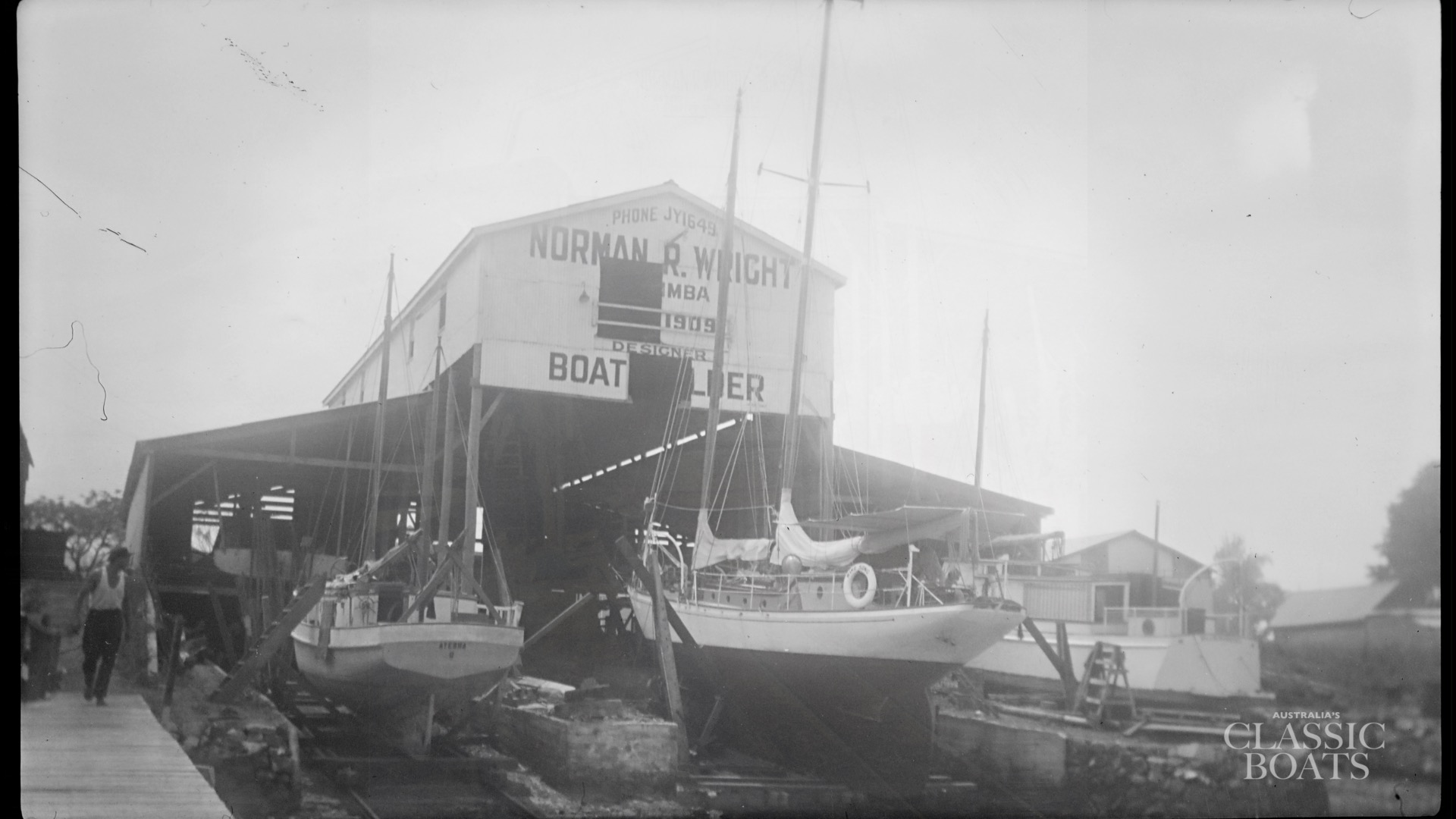
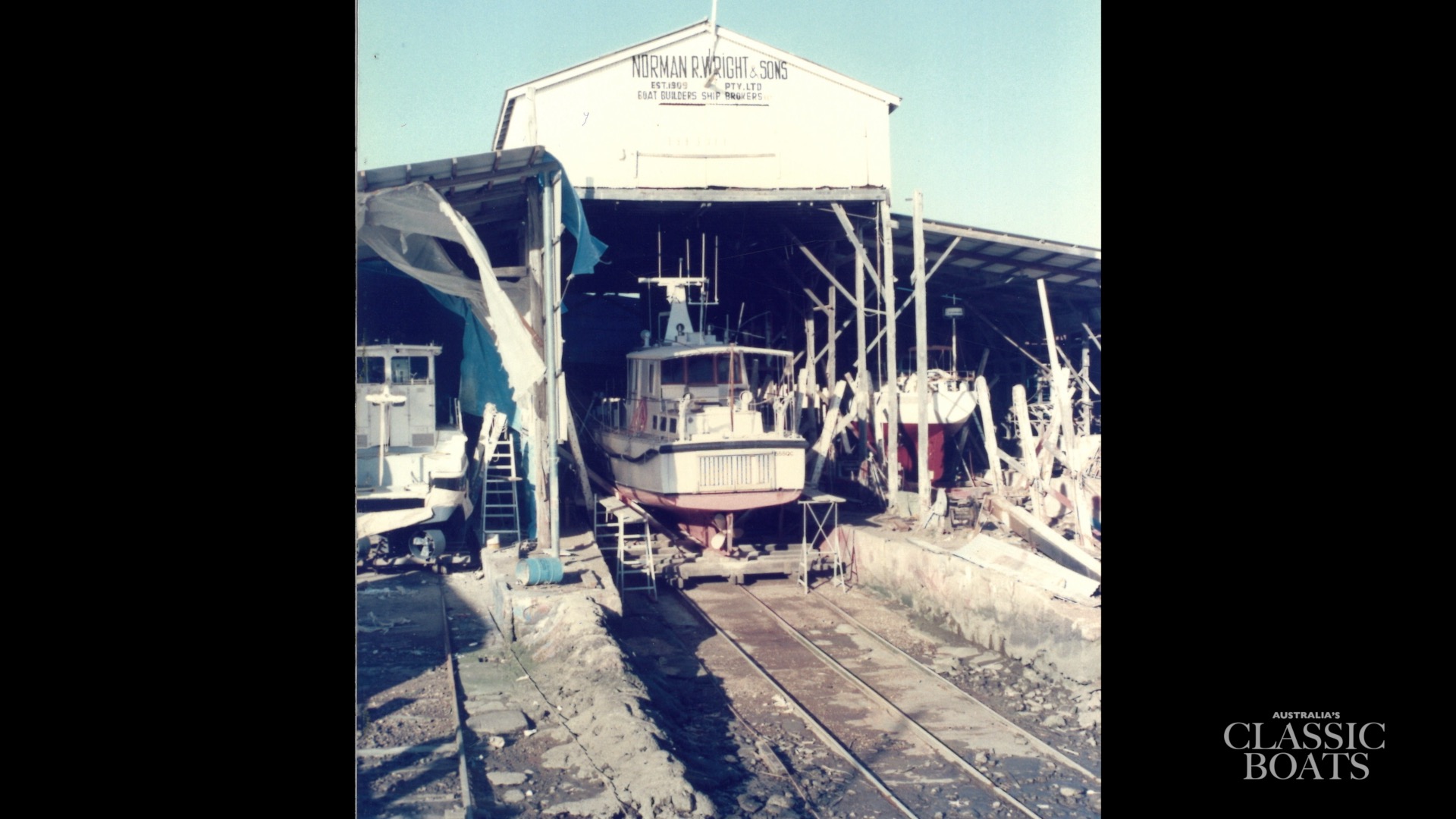
The firm’s original shed was acquired by a 24-year-old Norman Wright in 1909. Norman Wright had obtained a loan to purchase the rundown Newstead site, and from there, a procession of champion racing skiffs, schooners, steamships, ferries, and luxury private vessels emerged from its humble doors.
Bill Wright:
I always get staggered by the number of boats that my grandfather built and designed, with a grade three education. Designing and building a 100 hundred footer. And he would work out the displacement by making a whole lot of little triangles and working it out that way… it’s just so hard to do.
During the war, he designed the Mary Rose, and Dad always said he worked for three days straight, hardly ate, and was just cat napping while they got this design done. Such a massive work ethic. This huge energy, which I’ve always been a huge admirer of.
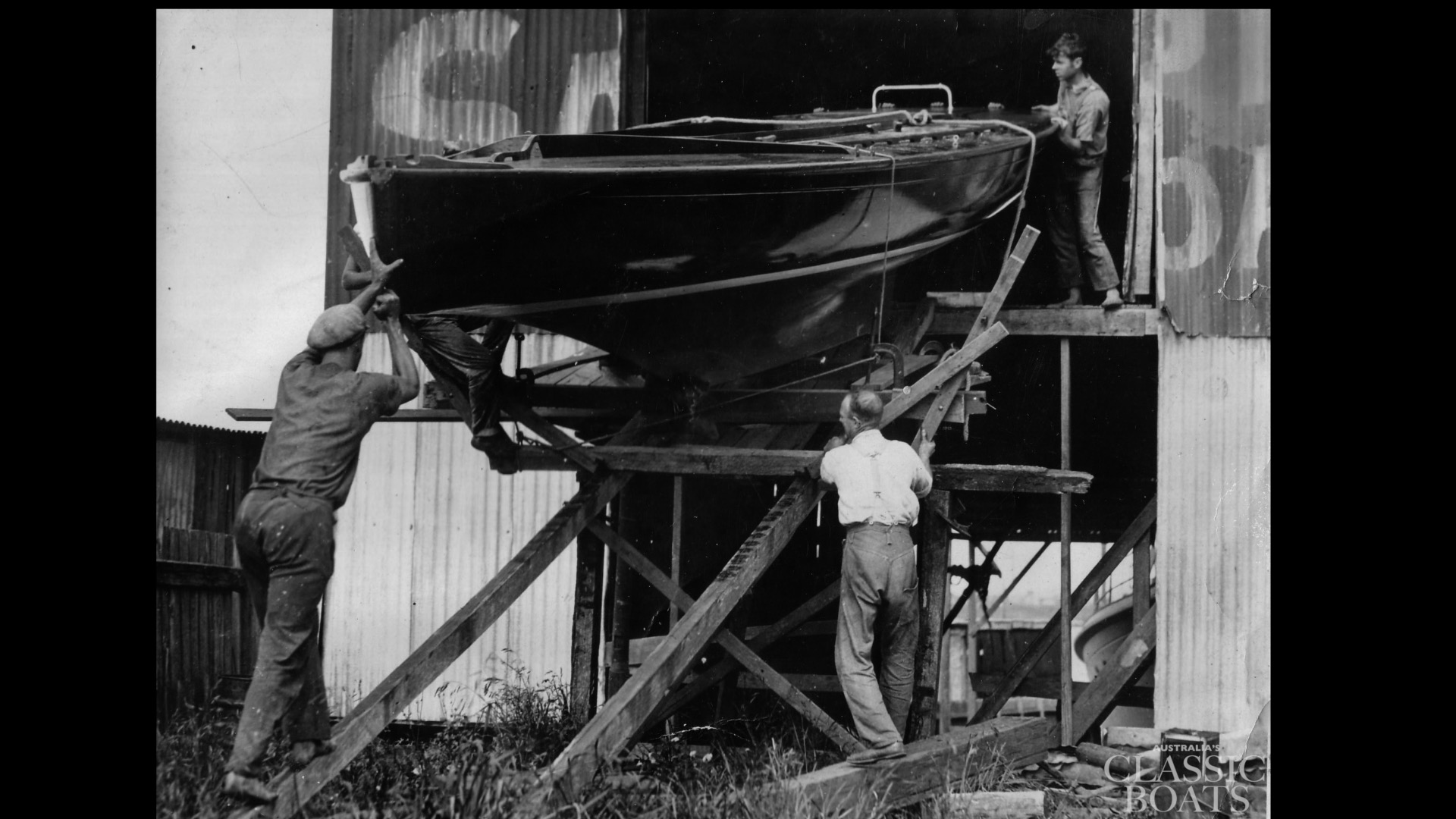
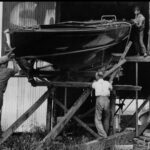
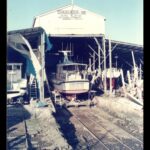
The Beryl May was launched at the second of Norman Wright’s sheds at Quay Street, Bulimba. The move to Quay Street in 1936 was a defining moment, and the company took things to a new level in their newly constructed Bulimba home.
Bill Wright:
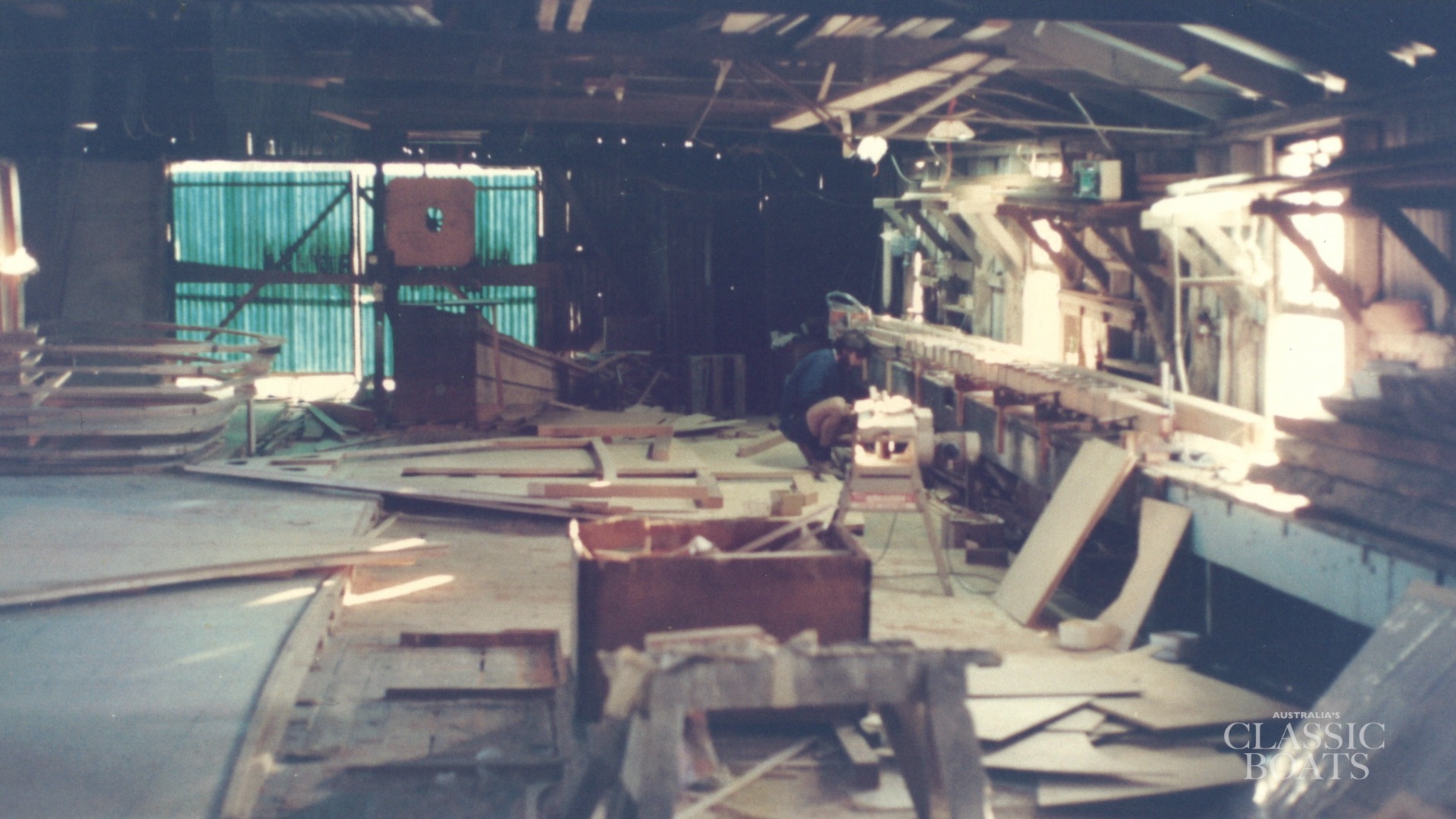
My favourite shed in many ways was the old Quay Street shed, just because of the memories.
Ian Wright:
The Quay Street shed was fabulous for a beer on a Friday afternoon, and it had so much atmosphere, but you had to work there the rest of the week!
Bill Wright:
Yeah, the dirt floors, with about one foot thick of sawdust and shavings, it was a classic shed.

The size of the boat, you know, we were talking a massive vessel, and she was so economic that you could take all this comfort out fishing and burn no more than one gallon an hour.
We used to run on one engine, and then start the second engine when a fish would come on. It became a well-known mothership for game fishing up in Cairns. And in those days, you counted your dollars. So we said, listen fellas, we’ve got the comfort, we’ve got the operating costs right down — and we started to build a considerable business with people not wanting a game boat, just wanting to go on South Pacific II
Game fishing was done basically out of game fishing boats, and we said, no, why not put a mothership up there, and then you can have a smaller game fishing boat, and that’s what we did. We used to tow our small boat up from Brisbane to Cairns, and then we’d game fish, and the word got around so well that the Americans got to know us, and then we had bookings and bookings, and that’s when Sally started to join us with the cooking, and she became a master.
People used to ask me, who’s doing the cooking? Her name got around, is it Sally? Yes, good, we’re coming!
Peter Jenyns:
That’s when he became Sally’s father, not the other way around.
Sally Jenyns:
I was Ron Jenyns daughter for years, and then Dad was suddenly like, “I’m Sally Jenyns’ father!”.
Ron Jenyns:
The game fishing boat used to take off in the morning, and there Ron was, sitting on the mothership, nothing to do.
Sally Jenyns:
Oh, heart breaking dad!
Peter Jenyns:
A moment ago, he was saying it was great, “off they’d go and I could relax”… he used to be up there with the binoculars saying “they’re hooking up!”.
Ron Jenyns:
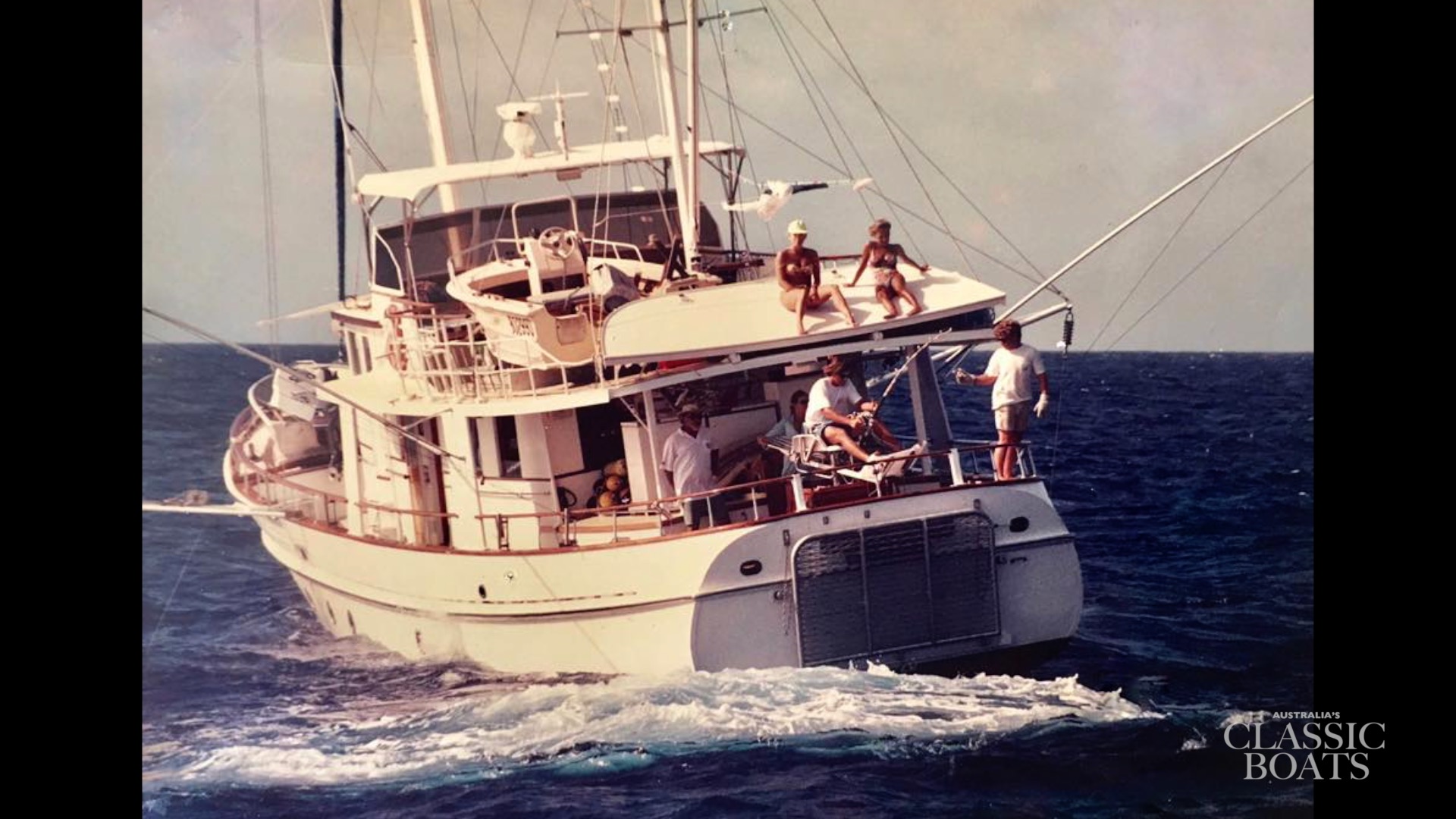
I said to Sally, “come on, we’ve got to go out there too and start fishing”… ” how are you going to do that Dad?”… I’ve got an idea, we’ll put a game chair on the back, on the lazarette hatch, and we’ll put the two outriggers, set them up, and off we went.
Peter Jenyns:
Oh and the best part?
Ron Jenyns:
Oh yeah, a look out.
Peter Jenyns:
He’s sat on the crosstrees, the spreaders of the mizzen mast, and he’d set up a little thing, with throttle control, up there steering.
Ron Jenyns:
Yeah, yeah, and it all worked.
Sally Jenyns:
It did!
Peter Jenyns:
And he modified the aft awning to fold back, so he could see the angler, and the rod, and you had a second set of controls on the aft cabin too, so when you’re hooked up, you could come back and fight the fish from there.
Sally Jenyns:
It was hilarious, and that folded back awning at the back was the most wonderful viewing deck. So we’d all sit up there and sunbake. And we hooked up and caught some decent-sized marlin. But a game fishing boat is built for its manoeuvrability, to be able to chase down on a fish, do a lot of reversing. Well, fishing in the South Pacific doing that, was sort of like slow-mo. A game fishing boat would chase a fish that way, but we’d go, oh, the fish is going that way. Here we go. Look out, coming around the stabiliser, paravane. And honestly, other game fishing boats, if we ever hooked up, it would be like bees to a honeypot. They’d all start fishing over our way, because it was just such a spectacle to watch. We’d be facing this way, and the fish would be jumping over here, and anyway, we got them.
Peter Jenyns:
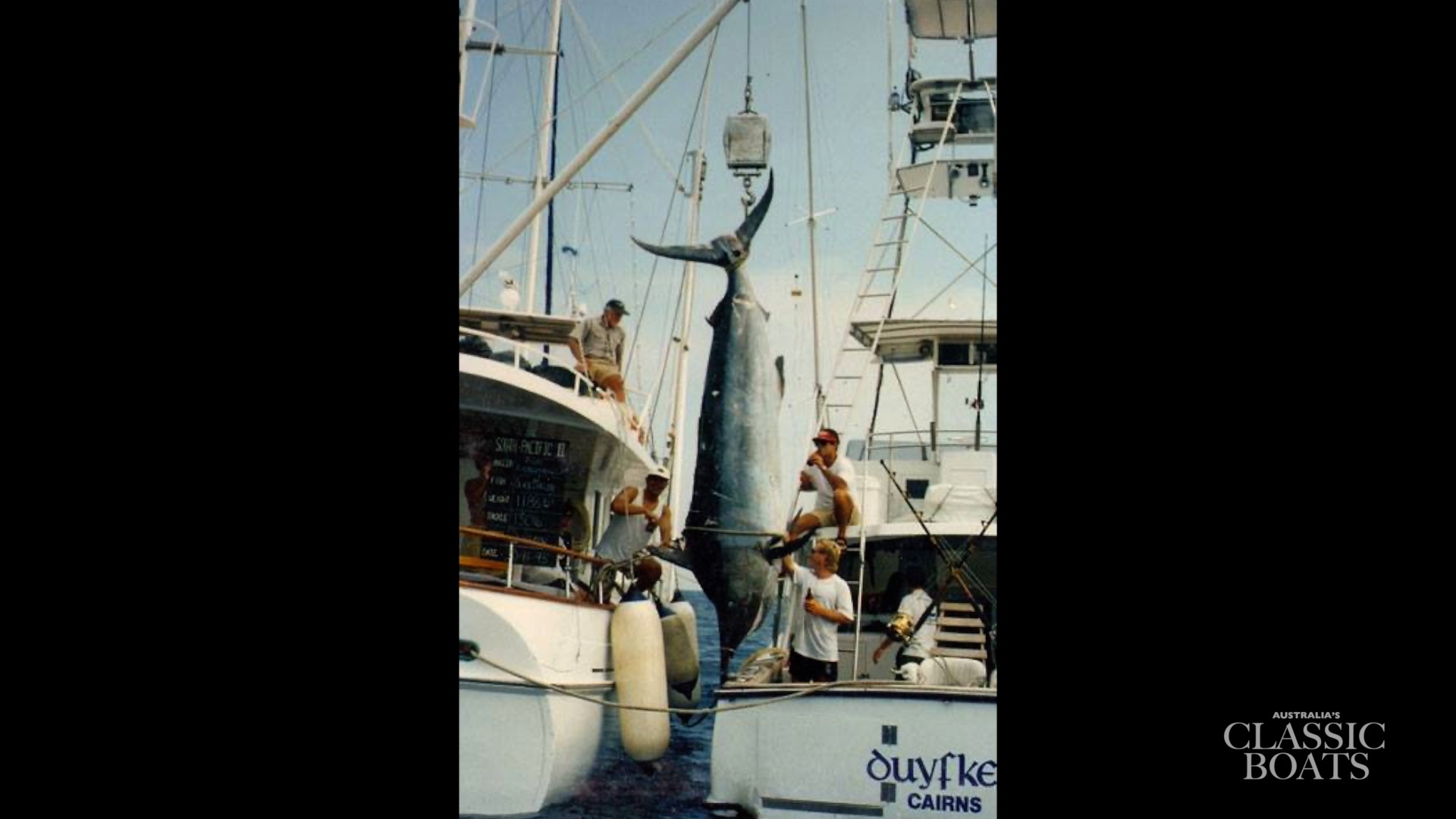
And one week, we were mother shipping with the Dyfkin, and the very famous captain, Captain Peter B. Wright, and we out fished him.
Remember? And his charter was looking at him and looking at Ron. It was about six or seven marlin, just moving between reefs, because, you know, Peter’d say, “We want to be up at number eight, nine, ribbon reef.” So Dad would pick up and they’d troll their way up the reef and catch two marlin on the way, and Pete wouldn’t get one.
Sally Jenyns:
Yeah, we often thought that there might be something about the vibrations of the motors, and we actually thought that maybe South Pacific’s got a bit of a fish attracting sound about it.
Peter Jenyns:
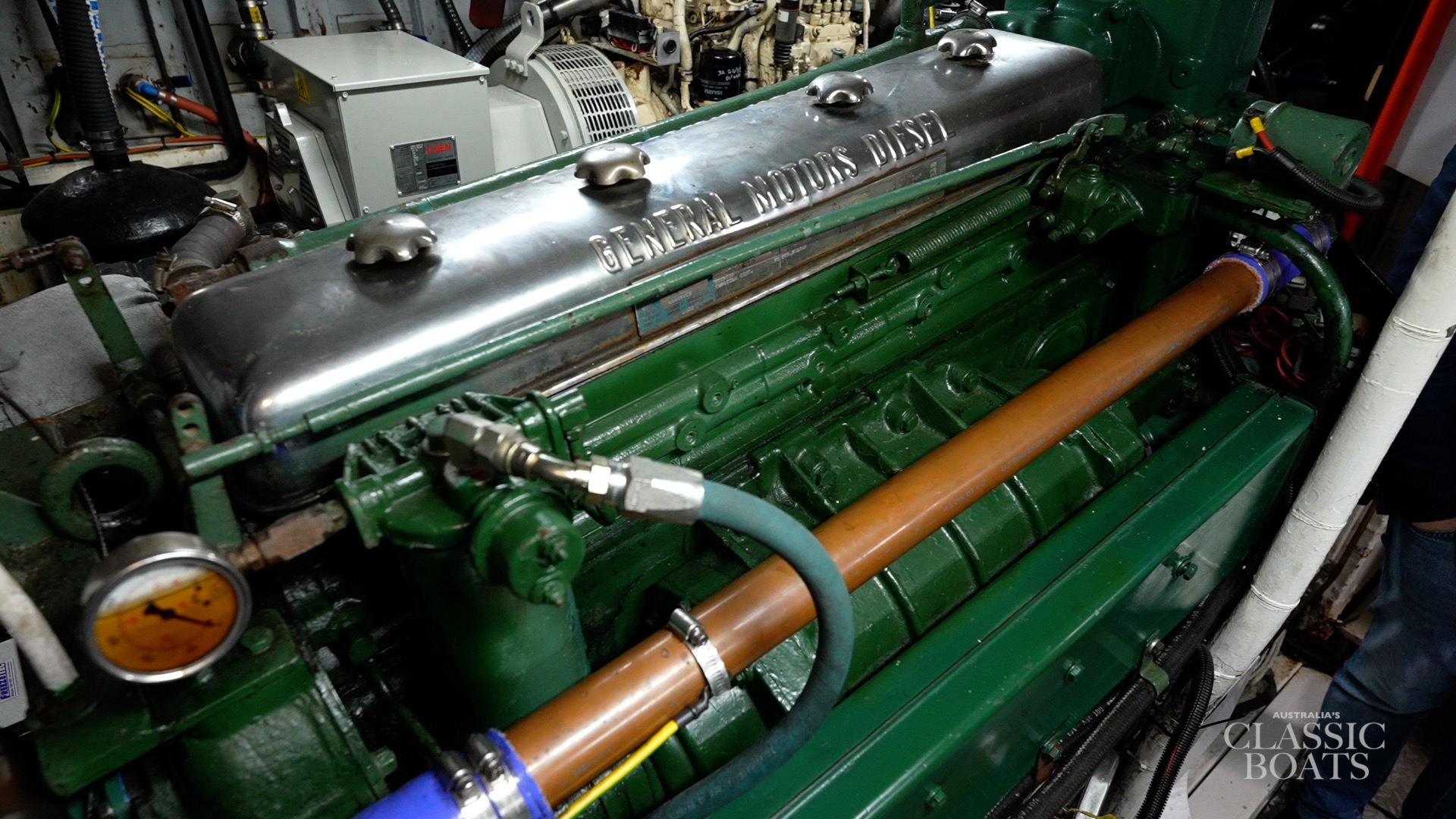
You wouldn’t miss it with the GM’s.
Ron Jenyns:
The guests used to love it, because they had a nice comfortable boat to fish from. They had a good chef. We could have beautiful hot lunches. They didn’t have to put up with a yacht all day long, in a small game boat, and the big mother ship used to move along, and when we hooked up a fish from up the top there, I could see what was happening, and we reversed the old girl and she’d come back, back, back.
Sally Jenyns:
Everything was in slow motion, catching a marlin from the South Pacific, wasn’t it? It was all slow motion. There was no hook-up, wind, put a tag in… it all happened over about an hour.
Ron Jenyns:
Yeah, you got your money’s worth!
Peter Jenyns:
It was very gentlemanly.
Sally Jenyns:
Yeah, that’s right. Be patient.

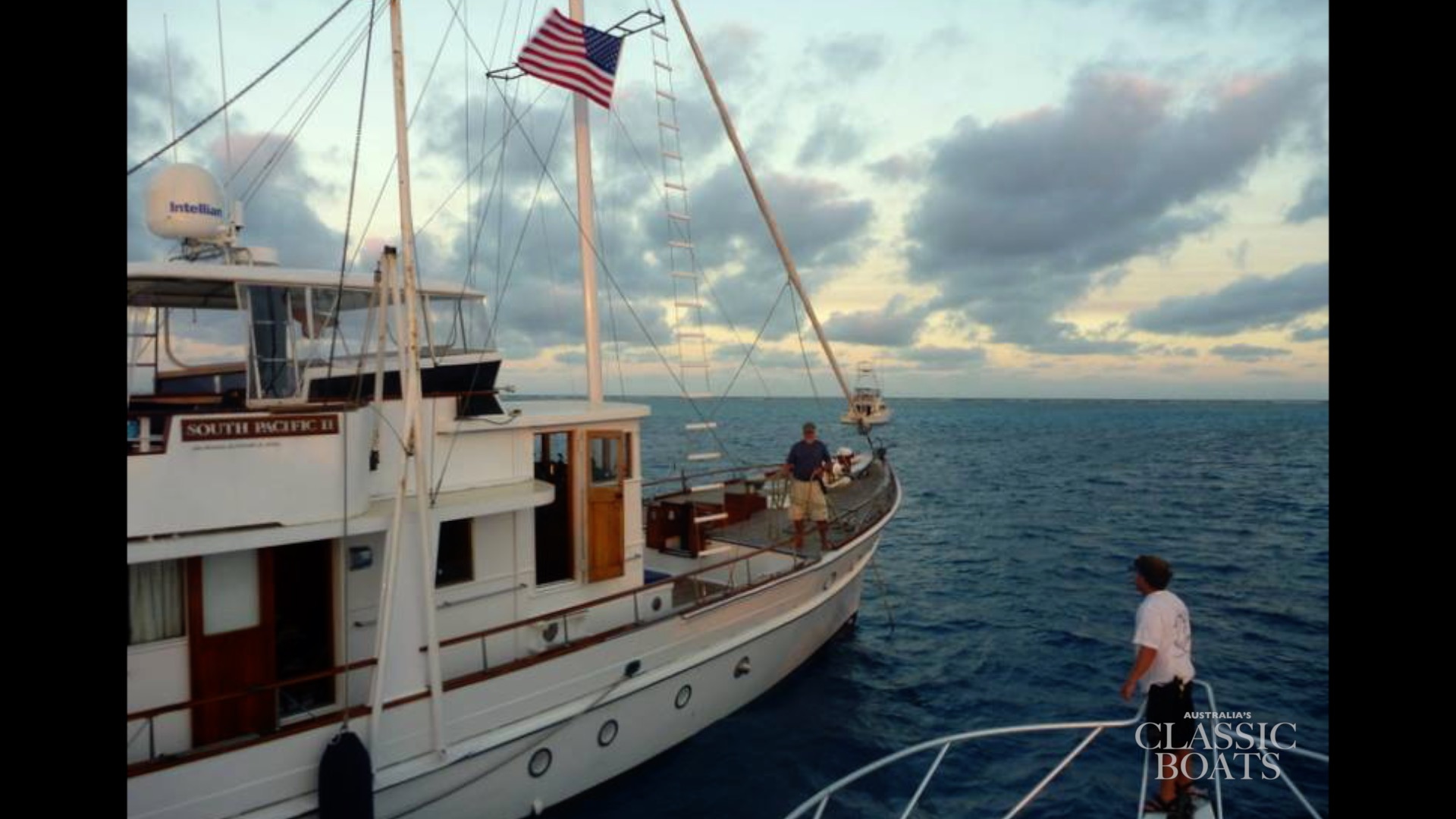
The Sigantos are only the third owners of the South Pacific II in 65 years, and shortly after becoming her custodian, Rob Siganto initiated the boats restoration process with significant layout changes and repairs undertaken in 2016.
Rob Siganto:
I like the idea of, you know, like in all boats, you spend most of the time out on the aft deck, and we just threw these ideas around of how we could best utilize that aft deck and came up with what we did, which was basically flatten the aft cabin and just create that space.
And when we first got the idea, I talked to Bill Wright about it, I thought it was a bit crazy, and he said, “No, no, well, that’s actually makes a lot of sense. The boat, was actually built for the Southern climate and wasn’t actually designed for the tropics, but where it gets spent is you’re spending all your time outside.” So, of course, Bill Wright was going to get the project to build it anyway. He said, “Yeah, yeah, of course, you can do that.” Like all projects did, that then triggered, you know, we had to lift the deck on the aft deck, so we said, “Well, we might as well do all of the decks,” and which we did, and that was a major project, and the result has been really good.
Part of the challenge with the old decks, which was 50-something years old, was you always find, like, old boats, there’s always a dampness in the cabins, and until you actually replaced all that decking and, glassed it, and sealed it, and glassed it, and decked it, and redocked it again, we’ve removed that. So, it was a job that had to be done, and we just managed to do it early, and we’re really happy with the result. The deck’s fantastic and we’ve spent a lot of time on there, it really adds to the boat.
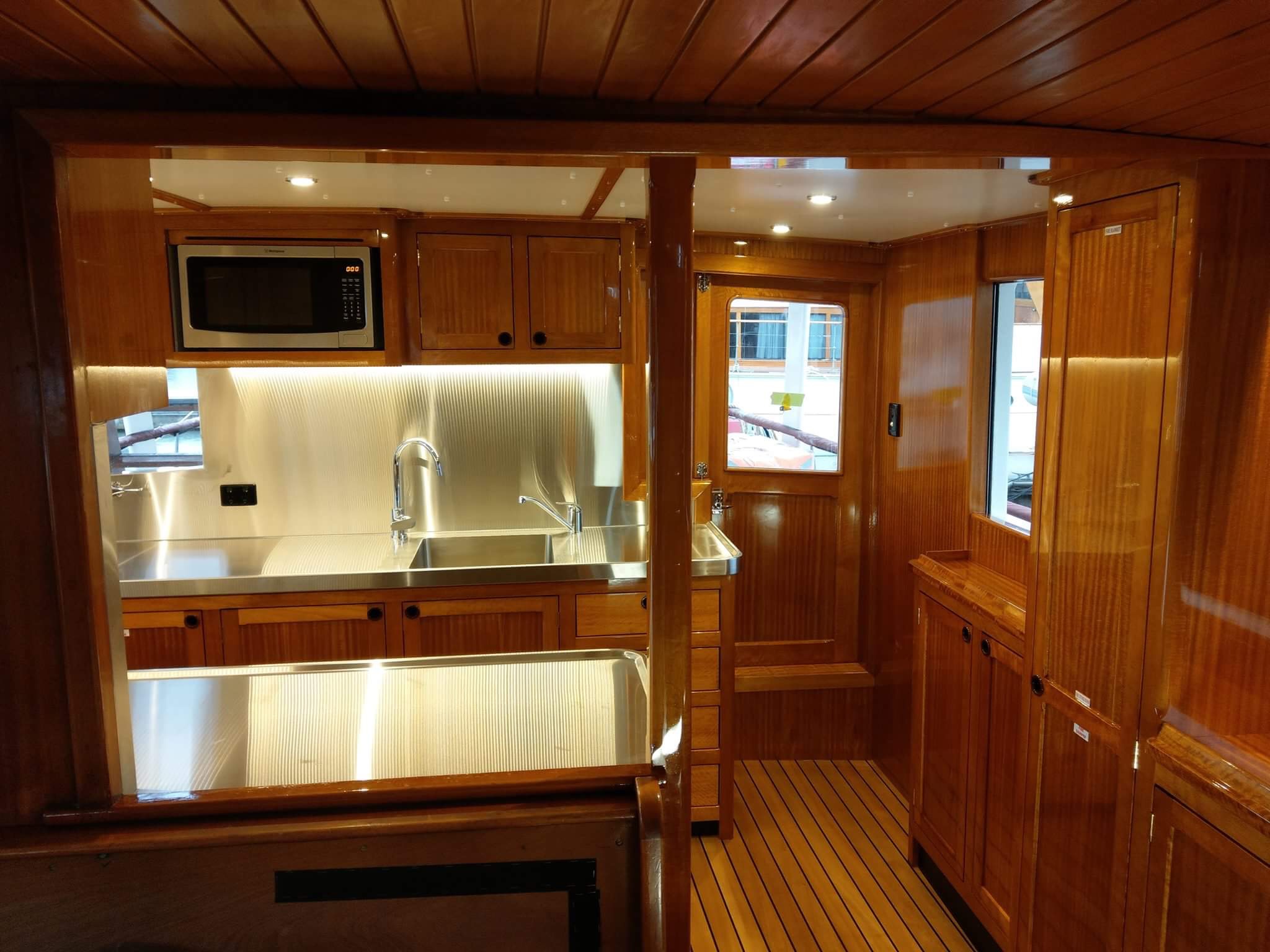
We redid the galley, we basically gutted it and rebuilt it. I think the other big change there was just putting access from the galley onto the aft deck and just opening up the boat, and the galley’s great.
Sally Jenyns:
The windows on either side are just so great, because that’s another thing, is that people would come around and talk to you through the window all the time. I would always leave the leftover from any meal on a plate on this window, and it would be gone by the afternoon, because people would just come past and pick up whatever it was and have a snack.
Peter Jenyns:
If you timed it wrong, you’d walk down the side deck, and Sally would be throwing out the chopped veggies through the window, and you’d cop it.
Sally Jenyns:
The number of wonderful fish orders that I’ve had supplied through that window, where I can literally say, if you’re going for a spearfish Dad, try and bring back three trout about this size, and then they come in, or the great joy of the game fishing boat coming back and saying, we got a great big wahoo today, or a dog-tooth tuna, a yellow fin, so we know we’ve got sashimi for the next week. All the fresh fish, when you see the prices of it in the fish market now, and you think, what used to come in those windows was just amazing. No wonder, I was fortunate enough to make so many experiments that I could write cookbooks on fish, because I just got spoiled with it. Very lucky.
What a beautiful space. Lots and lots of memories. Happy days of when you’re traveling from, Anchorage to Anchorage and cooking, and you can just see, everything around you. This was my happy place.
And we did used to have an interesting feature here, was that I could roll a door through here and close it off. So not that I was closing off to the people, but when I was sort of ready to serve dinner, and it was all that high stress, right before service, I quite enjoyed closing this up. And whenever we had women on board, which obviously we often, you know, the groups of men are more common, but I would often have women sitting here, and I think, why don’t they want to go out and enjoy the fresh air and stuff, and that eventually I realized they used to just love being able to sit there and watch someone else have to feed everyone. So they just sit there and ask cooking questions, but really enjoy that they have to do the feeding of the troops of the crew.
From the Coastwatch Store
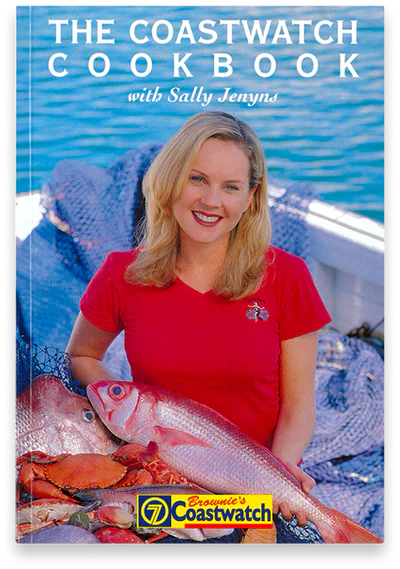
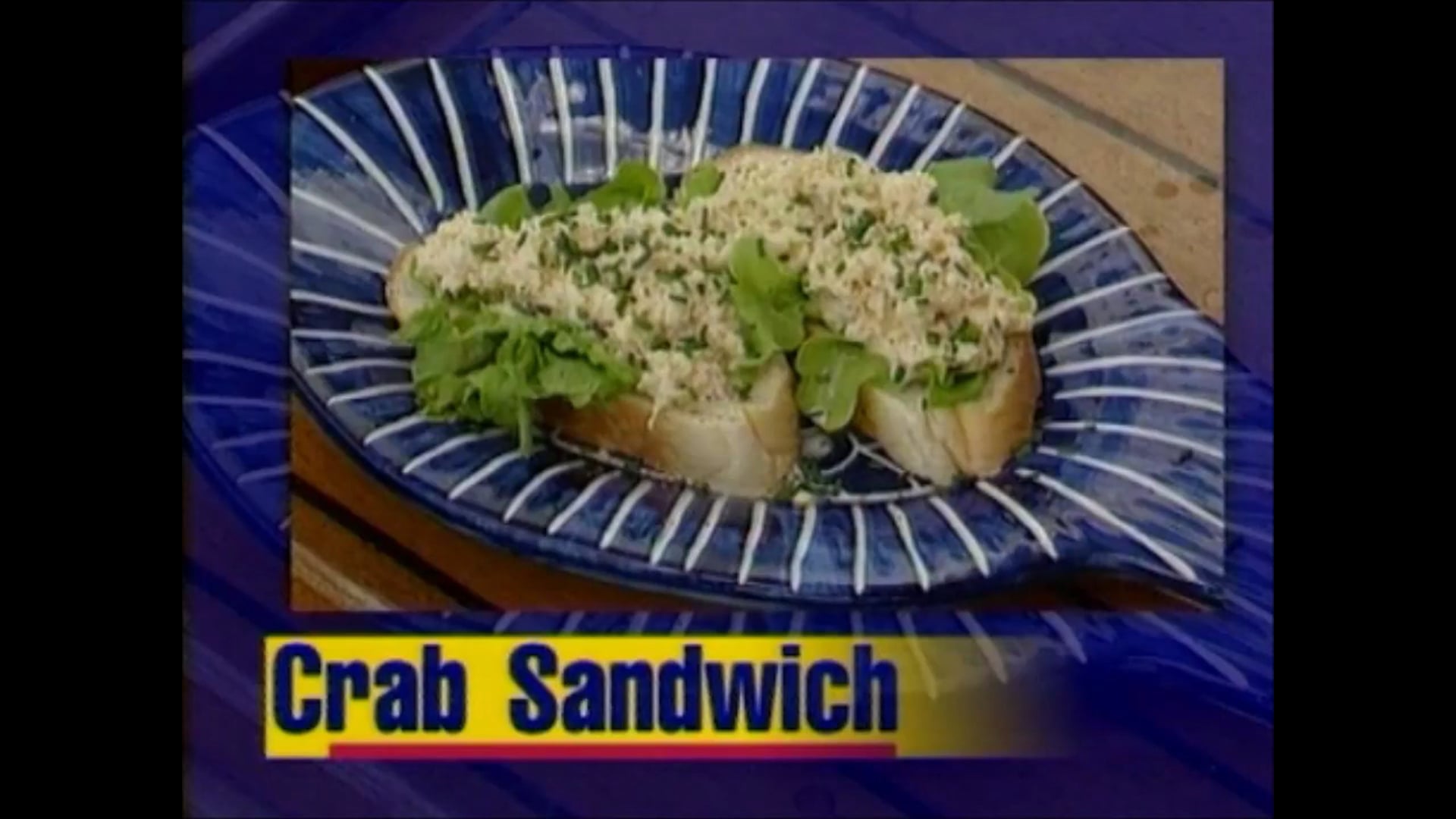
The final copies of the famous Coastwatch Cookbook by Sally Jenyns are now available to purchase exclusively in the Coastwatch Store.
I remain quite an organized person because you had to be, because we’d go out to sea for two months. So we’d always, you know, load up in Cains. I mean, Dad and I did a passage from Brisbane through the Whitsundays. We’d sort of do a couple of months doing those bottom fishing charters. That’s really hard work and peak, you know, 10 blokes on the boat, lots of food having to come out of the galley all the time. Then to go up into the game fishing season was just like, oh, we stepped up into, you know, like a bit more five star, but we’d load up in Cairns, fill up with fuel, water, and every nook and cranny on the boat had provisions tucked in it. And Dad always used to say, as we steam out of Cairns, you know, the boat was hitting about as low as she could, that water wouldn’t come in portholes and stuff. We really, you know, were so low in the water. But we’d go out to sea and that shop, that provisioning really lasted two months. The only thing that we would restock would obviously be fresh fruit and vegetables. And we used to have to sometimes do a run into Cooktown, but oftentimes it would come in and all you could afford the space on a sea plane was a couple of cartons. So you really had to be extremely organized about how things would happen and how to use it all up, how to, you know, not use it up too quickly. And what was beautiful about the South Pacific is, I spent so much time standing right there and all that’s happening here in the saloon and you know, the stories and the fun and everything, you’re very much a part of it. And that was a really great joy, and I could listen to all of Dad’s stories over and over again. The 10 years that Dad and I, worked together all that time, we say it all the time is just like precious memories of our life, you know, that we had a father daughter team going like that. It was brilliant.
Jacob Oxlade:
We’ve ditched the LPG. That was just becoming a bit of a problem with survey and everything. So we got rid of the LPG and we moved to a 240 volt system running on the Isuzu generators downstairs. This has all sort of changed completely. They wanted more of an outside arrangement, outdoor entertaining. So they’ve added the back door in as well as keeping the two side doors. And yeah, it’s really opened the boat up and made it a lot more usable and bad weather as well when you’ve got the rain coming in from the sides.
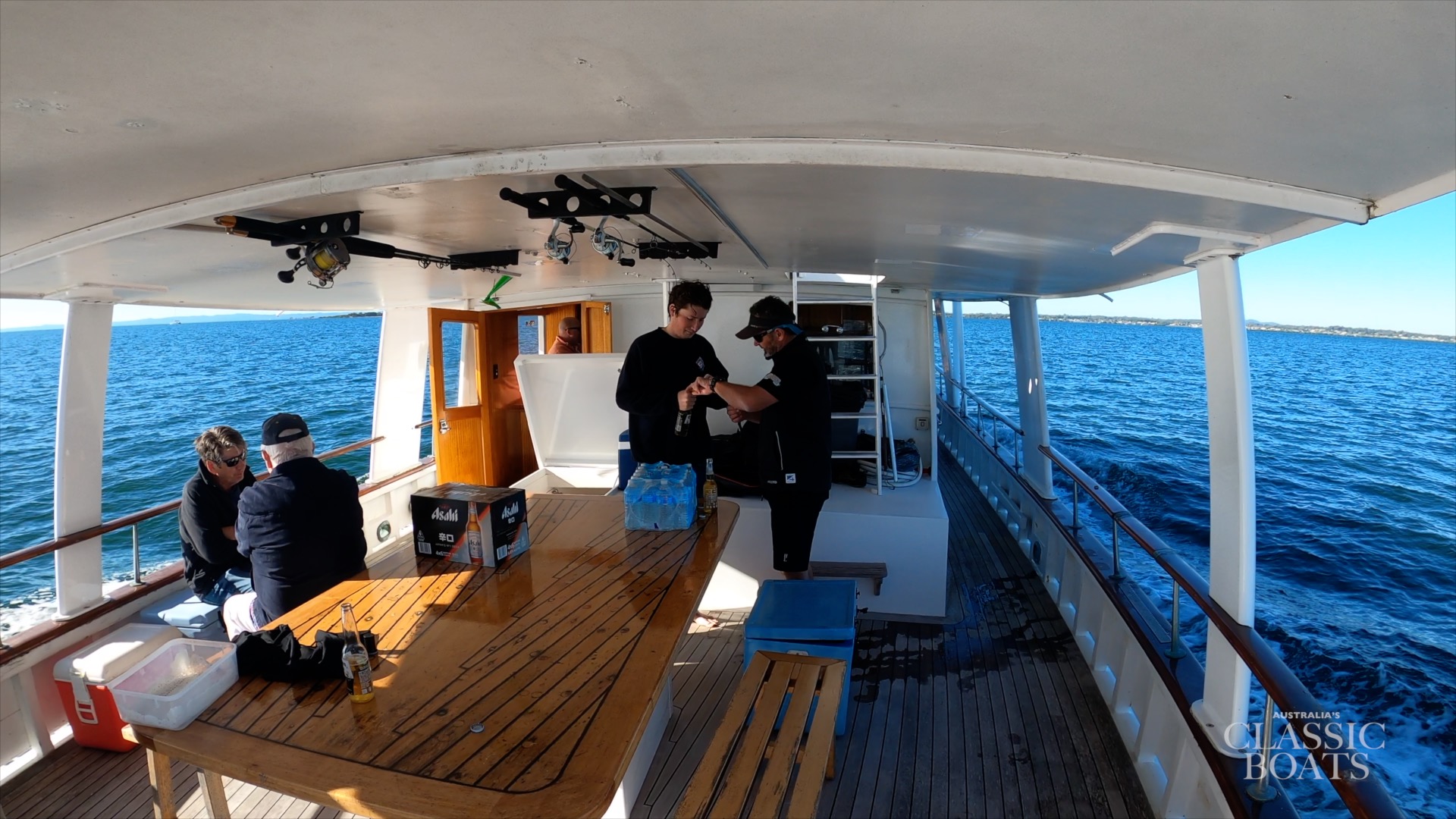
Rob wanted more of an outdoor sort of Queensland style boat because we got to remember it wasn’t a Queensland design when it was built. So outdoor living is what it’s all about. We’ve cut the deck back, new beach decks laid and then they’re just epoxy down. So there’s no fastenings. And then this table is a real centrepiece. The Wrights had this idea. They saw this, beechdeck coming up. And so this is actually the original beech deck which they’ve varnished over. So it’s a nice nod to the history of the boat.
You just have a game chair here, which is hilarious to think of such a big boat doing game fishing. And then they had their crows nest and their stuff up the back mast as well. So and then we obviously added the new duckboard as well. Just a bit of a bigger platform there. Got rid of the aluminium, what was called the cheese grater. We got rid of that. So it’s a real nice area here now.
Peter Jenyns:
This has been a good thing out here.
Sally Jenyns:
Oh yeah, totally. You know, because this coachhouse used to come all the way out. And our dining table was across this way. And you’d go down here into the aft cabin. But this table is a great innovation. What a beautiful dining area to be out here. Just sit at the dining table and be out under the stars. It was just glorious. We used to say that there was no restaurant in, the world that could, you know, be in that position.It was just so beautiful.
Peter Jenyns:
Sally, have you felt all this different space down here now? It actually works.
Jacob Oxlade:
You can’t fault the reliability of the GMs. They’re so simple and two stroke. They’ve got a lot of guts as well. But it is time just for a bit of a change. And it will be sad to see them go considering Ron loved them so much. He’s absolutely obsessed with them. And you can see why because he’s had them working for, You know, however many seasons, 35 seasons, you can’t fault them. They are a very cool engine.
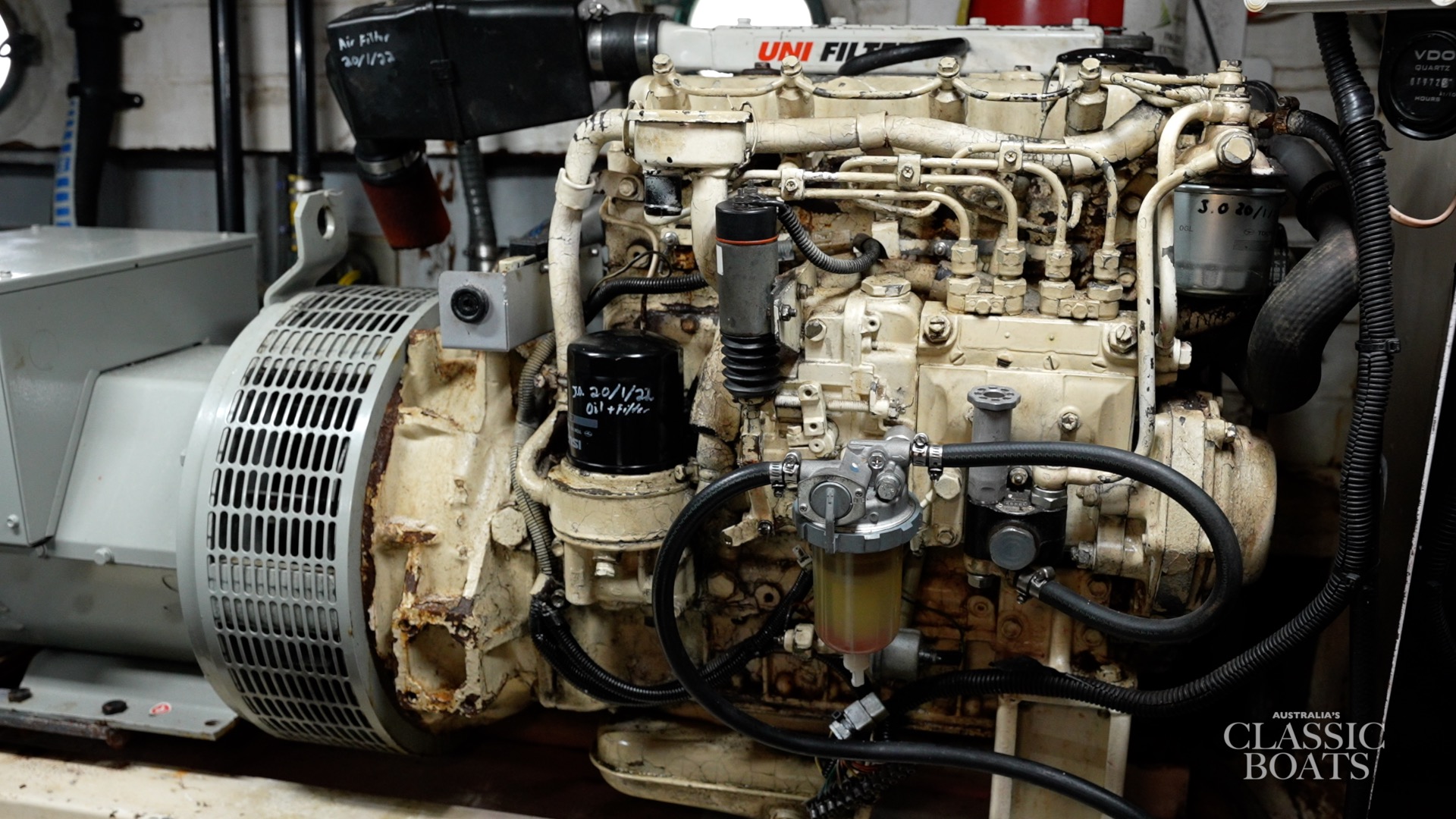
And then the gensets, where we’ve got the little Isuzu’s, that’s our big Isuzu. So that’s a four cylinder. And that has been exceptional as well. A great little set. And it’s a nod to the reliability of this. I don’t know how many boats you find on the Queensland coast that have had a generator in running this many hours.
Ron Jenyns:
We’ve lost the information on the engineers they’ve done. But we’ve had that generator checked by experts. And they just say she’ll go forever. Anyway, that seems impossible. But it’s happening.
Terry Jennings:
Isuzu powered the South Pacific for a period of must have been 30 years without a glitch. Every year taking it from Brisbane up to Cairns. Ron’s love is the water. Very early in the piece actually, Ron had the need for a 20 kva marine genset for the boat. We offered and sold Ron a Isuzu C240. And Ron ran that unit until I’d say he finally sold the vessel. And Ron speaks very highly of Isuzu. And of course we speak very highly of Ron as well.
Ron Jenyns:
You go down there and just turn the key. It starts immediately. Big fuel tanks, mind you, keep a genuine pressure of fuel into the genset. That means that the fuel is not pressurised. It’s just automatically pressured with the weight of the fuel tank.
Advertisements
Few would be aware that an 80 year old Brisbane family business – operating for most of the last 45 years from a humble shed in Milton – has been the marinisation partner of choice for the world’s biggest diesel engine manufacturer — Isuzu of Japan – since 1979.
Zenith Engineering has perfected the modification of Isuzu diesels for marine purposes over decades, and in addition to supplying a wide range of power products, Zenith designs and fabricates high quality bespoke componentry, providing engineering services to the marine, agriculture, mining and other industrial sectors – to meet the specific requirements of its customers.
Commercial operators have been trusting Zenith since 1945, and the company remains proudly Australian and family owned, with an outstanding reputation for workmanship, reliability, and service. Zenith provided two indestructible Isuzu gensets for the South Pacific II, still humming after 30 years of tireless work. The company moved to new premises at The Yard in 2024. Learn more about this great Australian Company in the video above and visit the Zenith Coastwatch Connect page.
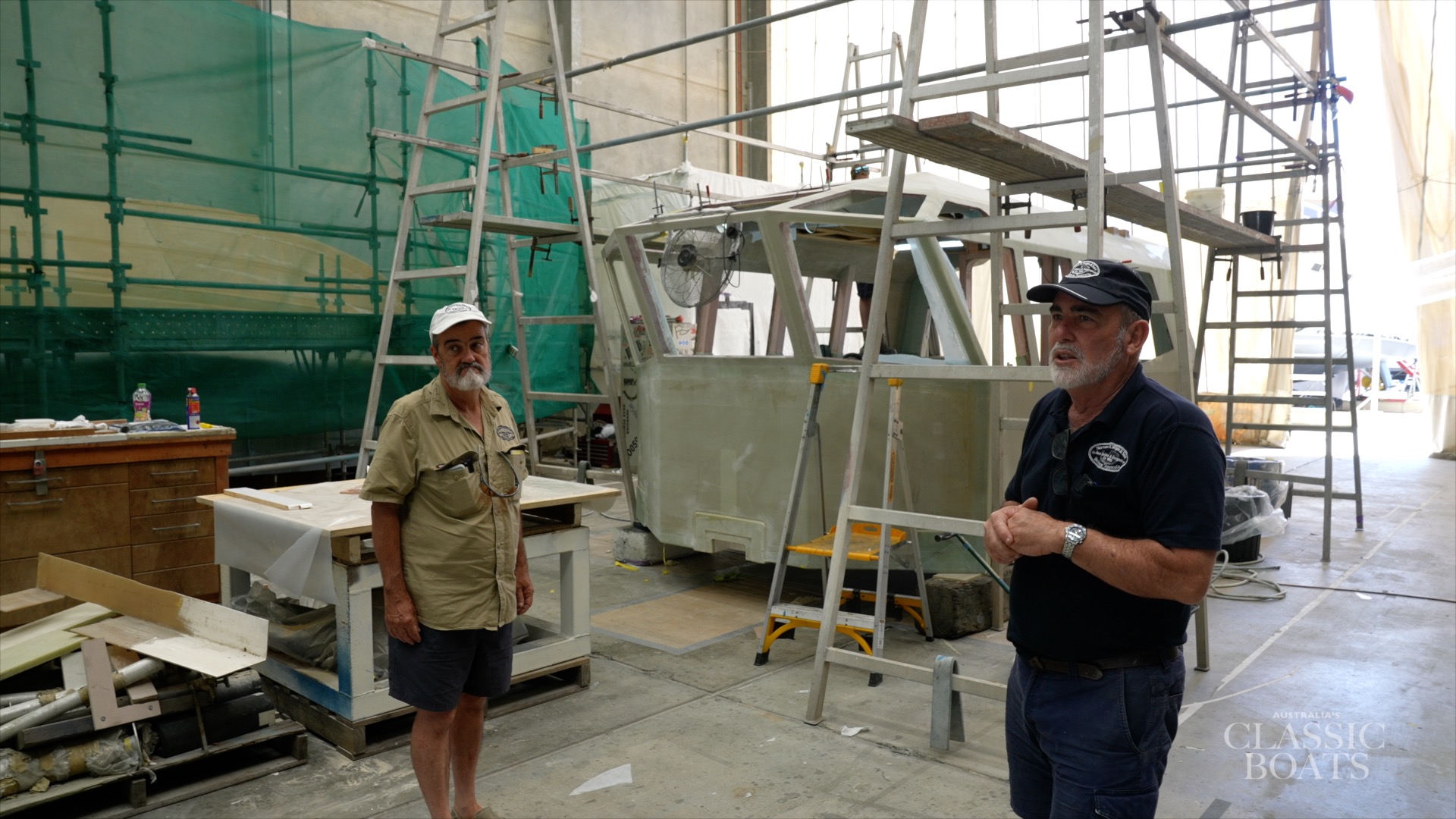
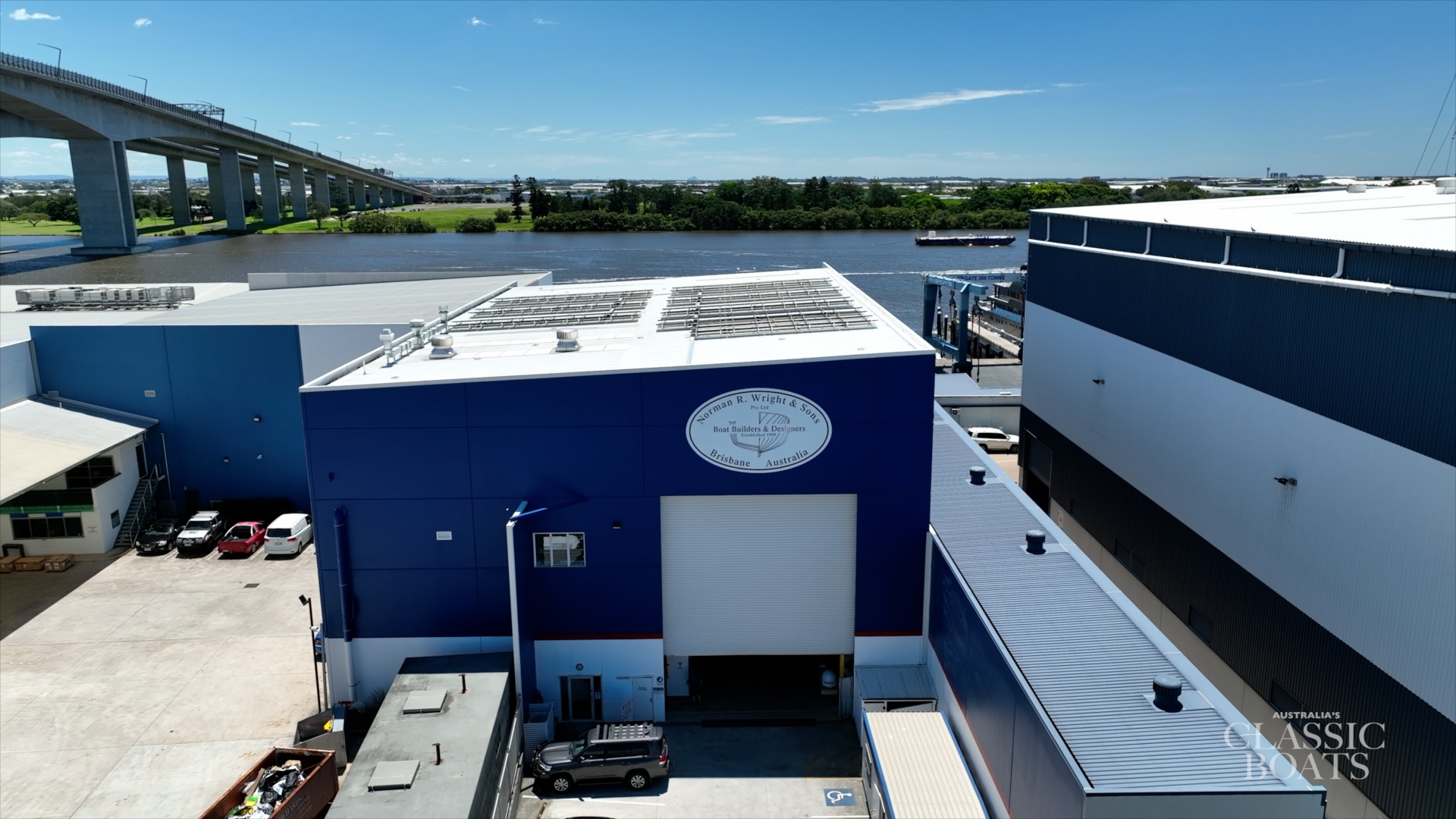
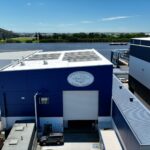
Additional works undertaken in 2016 included electrical upgrading, refrigeration, a new aft cabin, shower and head, new rigging winch and anchor overhaul. Fittingly, the South Pacific II was the very first boat to enter the brand new state of the art Norman R. Wright and Sun’s shed at Rivergate, a world-class facility and the company’s fourth home in nearly 110 years. With this first project, a ringing endorsement of the company’s continuing excellence in workmanship.
Bill Wright:
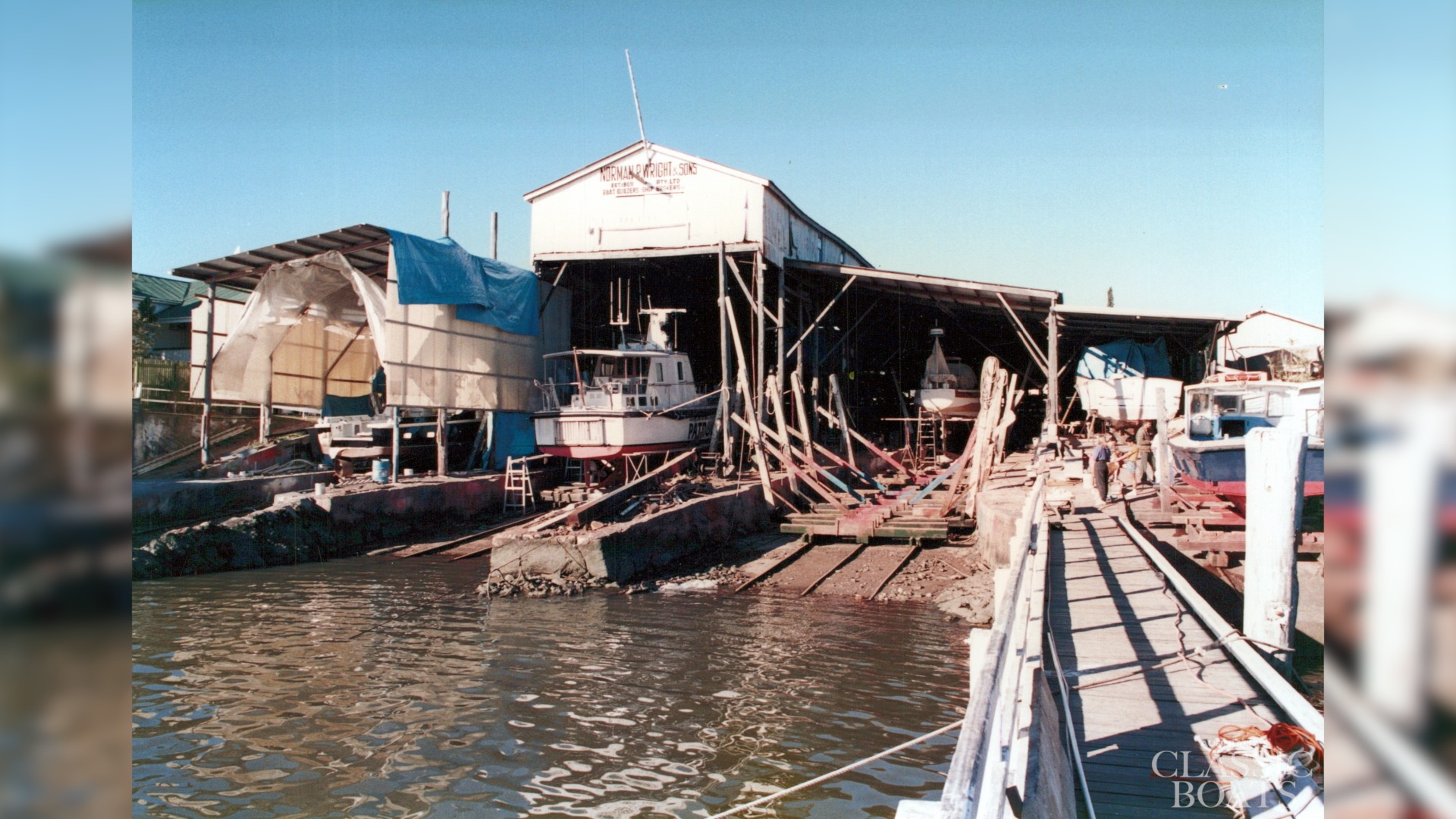
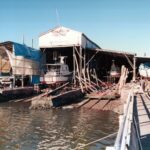
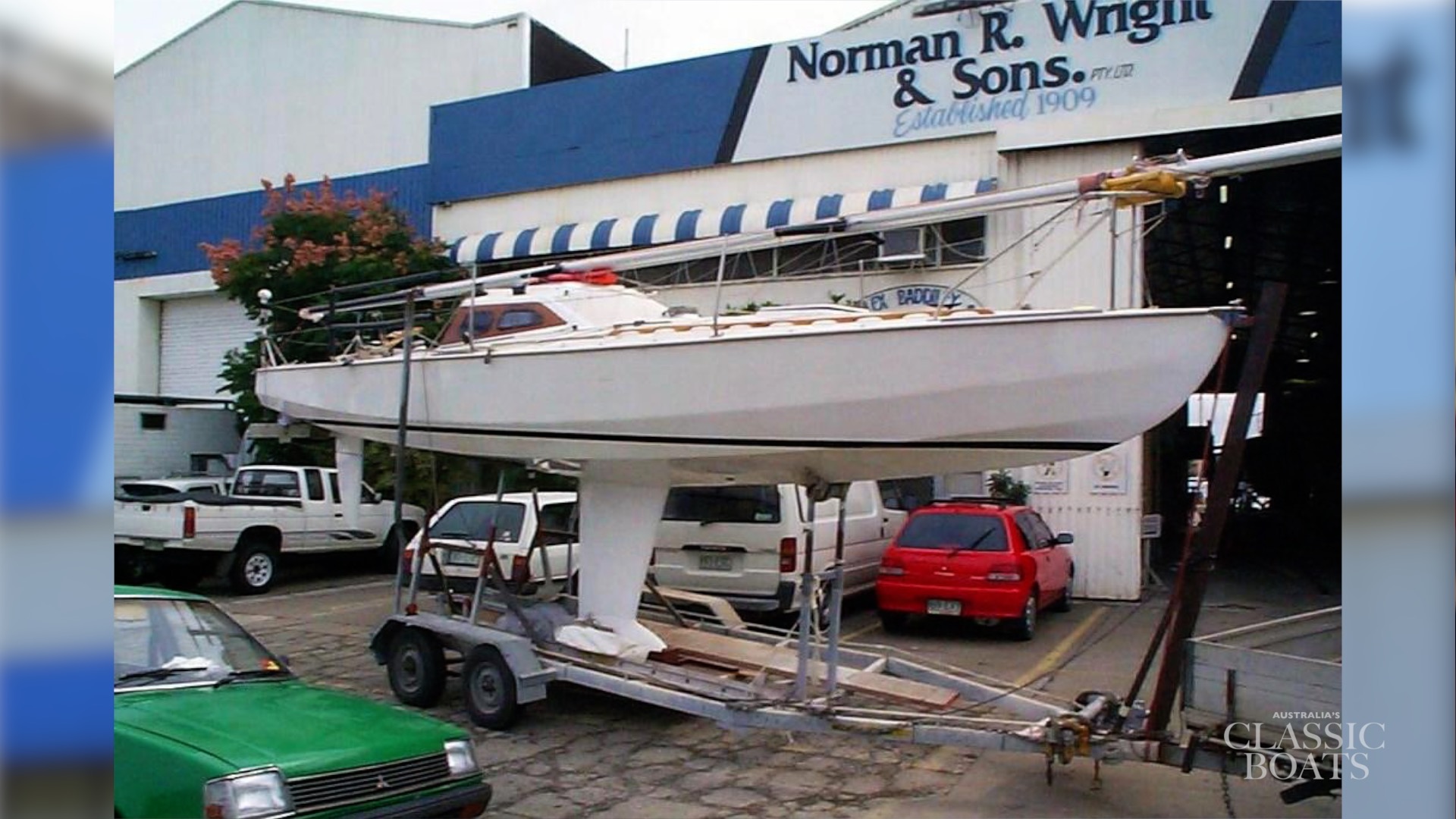
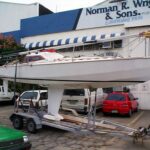
For actually building things, this shed here is fantastic. Ian and I have been through a number of locations. Two moves. We were in Quay Street, Bulimba in my grandfather’s shed up till 1990 and then we moved to Byron Street which was the old Lloyd Ship’s shed which we bought at a fire-sale when everything Christopher Scase owned was auctioned off.
And that served us extremely well until that area got rezoned for high density living. So we came down here and bought a new shed pretty old and set up our first brand new boat yard that Ian and I’ve ever had.
Norman Wright’s growth and international standing has made its enduring, unyielding 116 year presence on this historic reach of the Brisbane River for Australian boatbuilding even more significant.
Bill Wright:
I think it all goes back to the early days of when all the boatbuilders were all the sailing families. The great sailing families and and invariably the Crouchers, the Crowley’s, they all sailed on weekends. Were all boatbuilding during the week and it all happened in this funny little pocket. I think there’s 28 boatbuilding companies and marine engineering companies basically in Bulimba which is incredible and Breaky Creek including Breaky Creek, you know the Tripconies etc up there and that was just the hub wasn’t it?
Ian Wright:
Yeah and you can imagine the competition on the weekend.
Bill Wright:
You know you’d be talking three of the top five boats in Australia in 16 foot skiffs, 18 foot skiffs etc you know like the cream of the crop, before World War II Queensland totally dominated the the sailing scene in Australia.
Boats like the South Pacific II are the living endorsement of this continuing legacy of quality and history.
Bill Wright:
One thing that I think every generation in our family hasn’t been scared of is to change with the times or take our technology to the ultimate that we could of of that particular material.
Ron Jenyns:
If you look at the hull of the boat and I’ve talked to Norman Wrights about this and they say that timber is seasoned so well it will last another lifetime. So it’s amazing when you think about that.
Peter Jenyns:
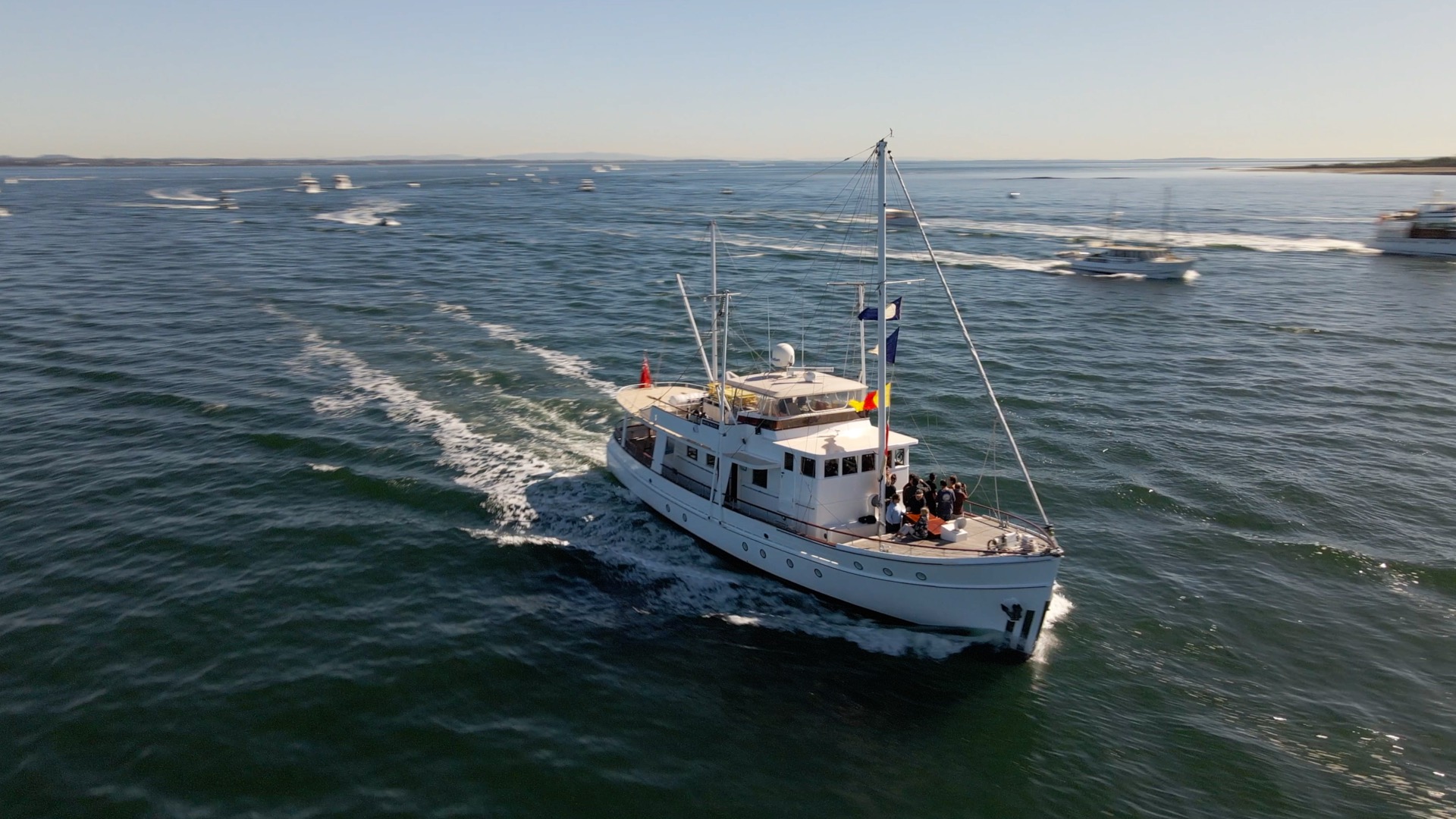
People ring me all the time and go you know I watch her going down the river but that hull shape is just unbelievable you know there’s something about the way she slips through the water this boat.
Acknowledgements
Our Thanks to Bill & Ian Wright.
Ron, Peter & Sally Jenyns & the Jenyns Family
Rob Siganto & the Siganto family.
Norman R. Wright & Sons for archive photography & plans. Professional Boat Care for archive photographs and video.
James Dumergue, Hudson King & Jason Collins for additional footage.
Writer & Executive Producer | Nick Cornish
Senior Video Editor | Tristan Davies
Production Team | Tristan Davies, Peter Threlfall, Rod Figueiredo, Ricky Preiser, Jacob Oxlade & Nick Cornish.
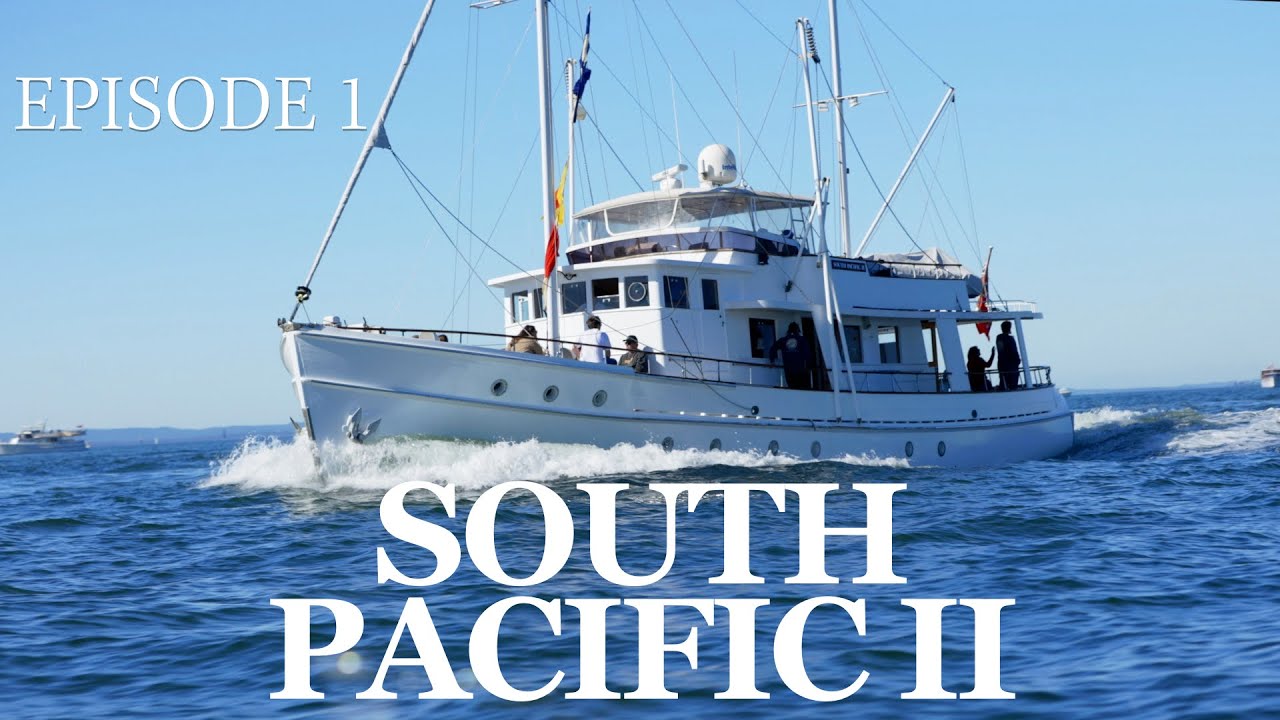
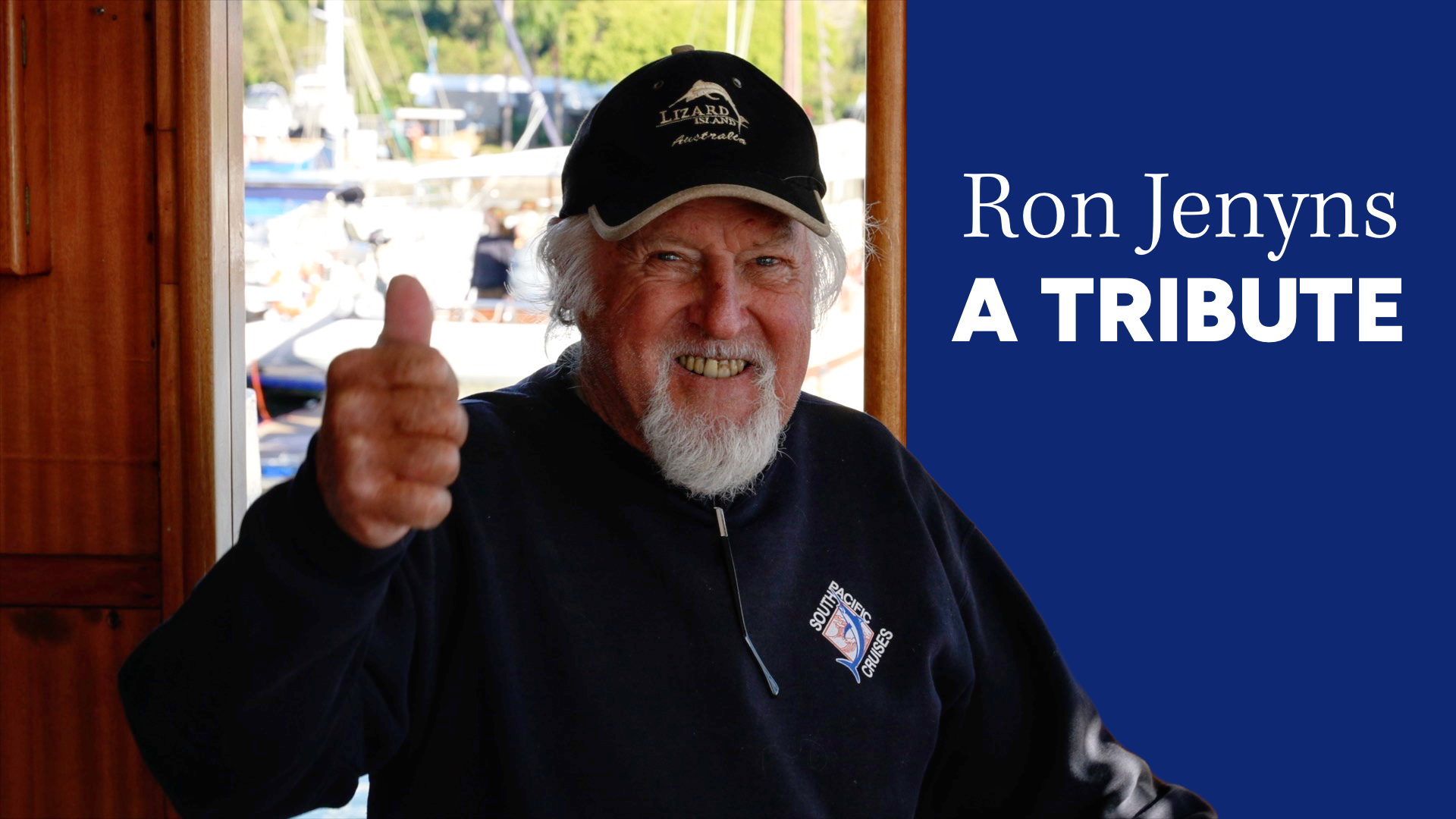
Stay tuned for episode three where we look at SP2’s role in the race that stopped Morton Bay and its special tribute to Ron Jennings who takes the helm once more. There’s more tales of adventure and we follow her out of the water to begin her major refit.
From the Coastwatch Vault with Sally Jenyns