Mick DiBetta
Beach Safety & Paddling
The videos above contain the message that I would be giving for every weekend.
The videos provide information on rips and currents, and how to deal with them if you are in one. We also look at beach flags and signs and how to use the information they provide to make your time at the beach much safer. Ideally, we hope to educate the public on how to read the water like the Lifeguards do.
TIPS
Benign conditions can often be deceptive and it can be easy to get lulled into a false sense of security.
DON’T think to yourself “I swam here yesterday so therefore it will be a safe day again today”. Check the tides and wind direction. Our videos can help guide you.
Anything coming ONSHORE changes the conditions a lot and often for the worse. Just because it’s small swell doesn’t mean that it’s safe. It’s often when the sand is moving consistently that Rips are created.
CHECK WITH THE LIFEGUARDS or at least read the notice boards before setting up on the beach — again, our video above can help; and position yourself on the end of the beach that the current is coming from when entering the water.
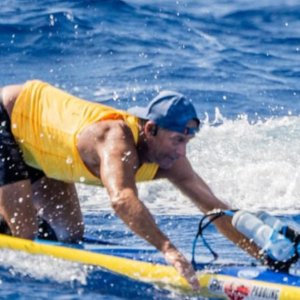
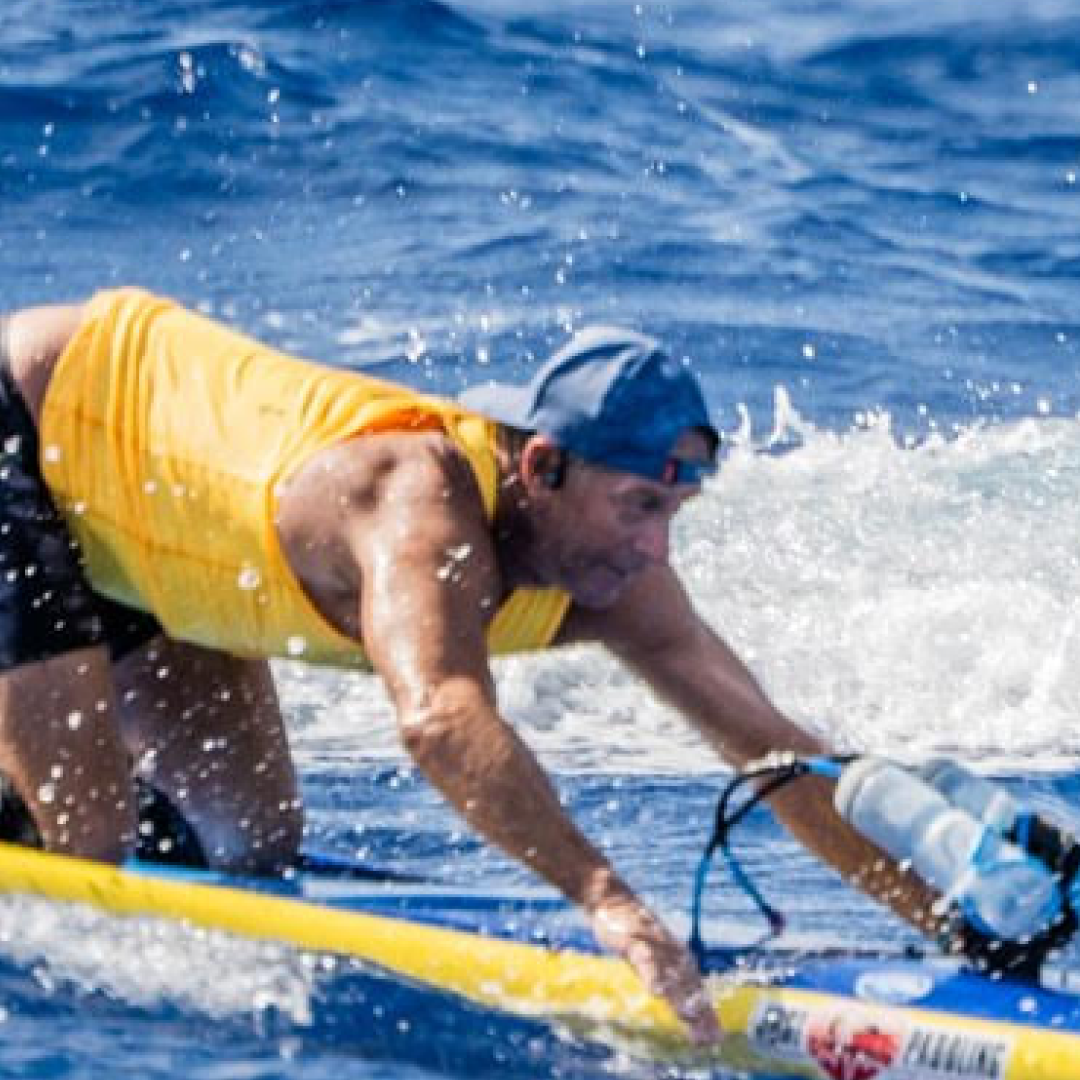
Mick DiBetta is a world ocean paddleboarding champion and was a professional lifeguard for nearly 40 years. He was the inaugural winner of the Molokai to Oahu ocean race and still competes — recently being inducted into the Hall of Fame. A Level 3 Surf coach with the AIS, Mick has also trained many other champions via his business All Paddling.
Rod Figueiredo
Diving, Marinelife & Boating
Moreton Bay can be a good option in Easterly winds.
The western sides of Moreton and North Stradbroke Islands offer protection, with Tangalooma being a preferred spot for diving.
Get there at the bottom or top of the tide as the water won’t be running.
The Tweed River, Gold Coast Seaway, Kirra Reef and Cook Island dive sites are better without big swell – and ideally you want clear water coming in.
Flat Rock is another fantastic dive site in the broader Moreton Bay Marine Park, and a favourite location of Rod’s.
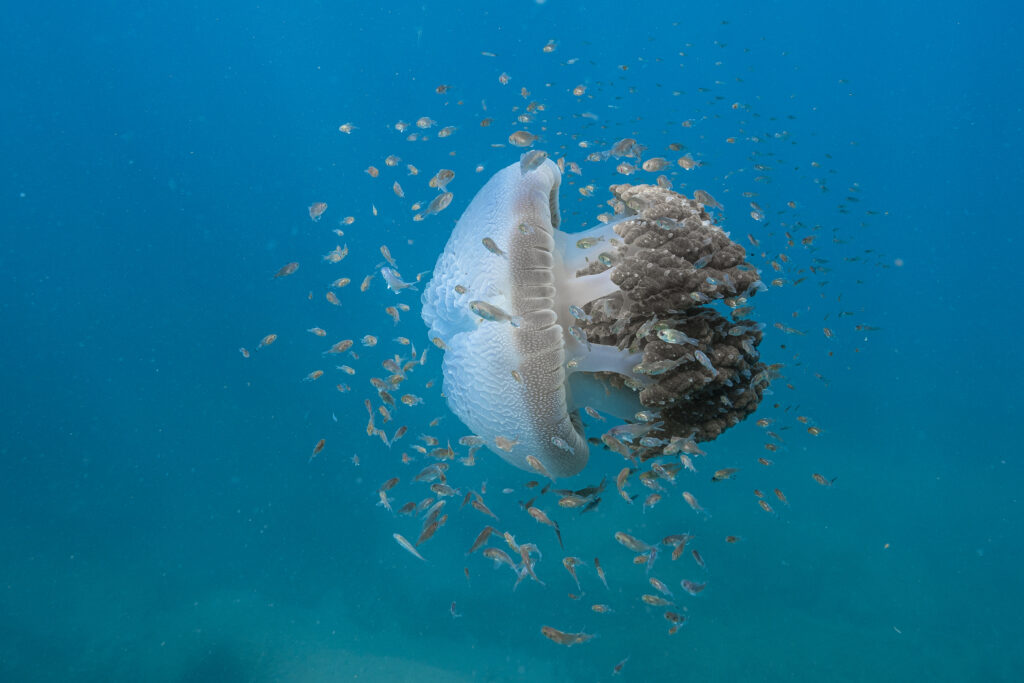
The warmer water brings jellyfish in large numbers, and this has been the case in all locations close to the shoreline this summer. Ensure you wear a wetsuit or a rashie to protect yourself if you are having a snorkel.
Small jellyfish can be present in vast numbers, and visible from the shoreline in places. Also present along the east coast are the large Lion’s Mane jellyfish – that can grow up to 3kg, up to 8 feet wide, and 120 feet long with their tentacles. Like other jellyfish, they are made of 95% water.
These large specimens can also impact fishing activities, such as trolling.
If you are looking for marinelife, close to the shoreline on the rise of the tide is the best. Stingrays and fish will not come close to the shore when the tide is falling.
Please respect the Green Zones such as Amity Banks in Moreton Bay – especially when the waterways are busy. Tide times vary from location to location, so be mindful you don’t get stuck at the Gutter Bar — unless you want to!
And don’t forget your stinzguard for the stingers, just in case!
Moreton Bay Navigation tips
The Western side of Moreton and North Stradbroke can offer sheltered anchorages, if you are prepared and aware of the capabilities of your boat to do the crossing. Tangalooma is a great anchorage, but it’s the getting there that can be the problem.
The crossing from the mainland to the islands (and back home) can be treacherous in a small boat, so always be mindful of the direction of the wind and waves. For example, in a 15 to 20 knot south / south easterly wind and 1m to 2m of swell — on a trip from Manly to Peel Island — you are likely to be “front on” into the wind and waves, and able to surf home.
This could be a preferable trip when compared to heading from Tangalooma to Manly, across this wind – where you could get wet in a small boat. It is also worth noting that variations of 10 knots between “real wind” and “gusts” can be problematic for predicting accurate conditions — and conditions in Moreton Bay can change quickly. Keep checking the Coastwatch website weather pages while you are out, and always err on the side of caution.
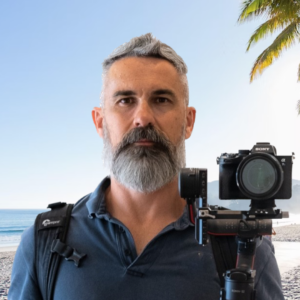
Rod is a qualified marine biologist and diving instructor with over 30 years experience, who has worked in oceans all around the world. Rod is also a professional underwater cinematographer having worked for a range of media companies, including National Geographic. Rod is now based in Brisbane with a particular fascination for Moreton Bay.
Nicole Robinson
Environment
TURTLES ON MORETON
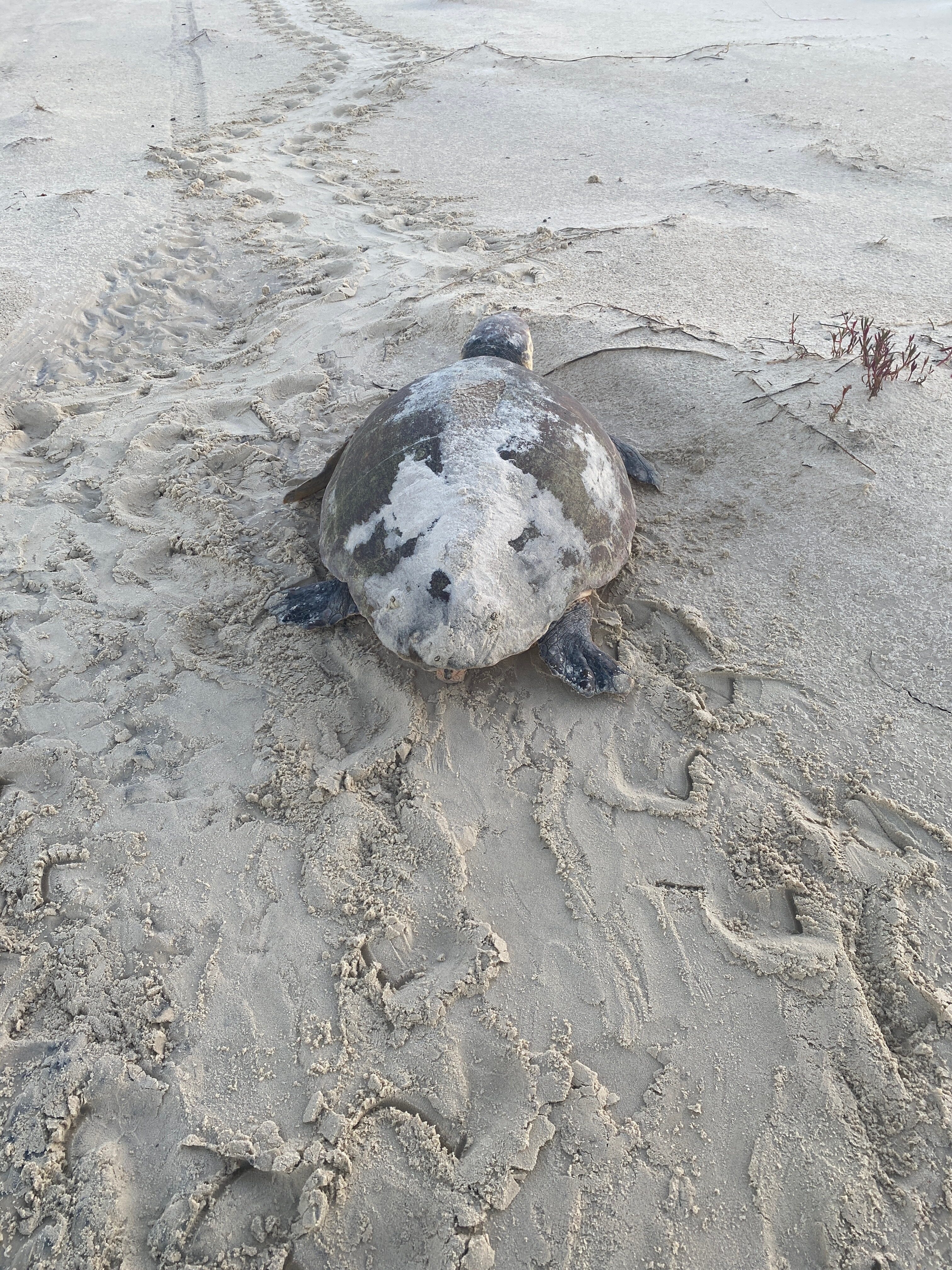
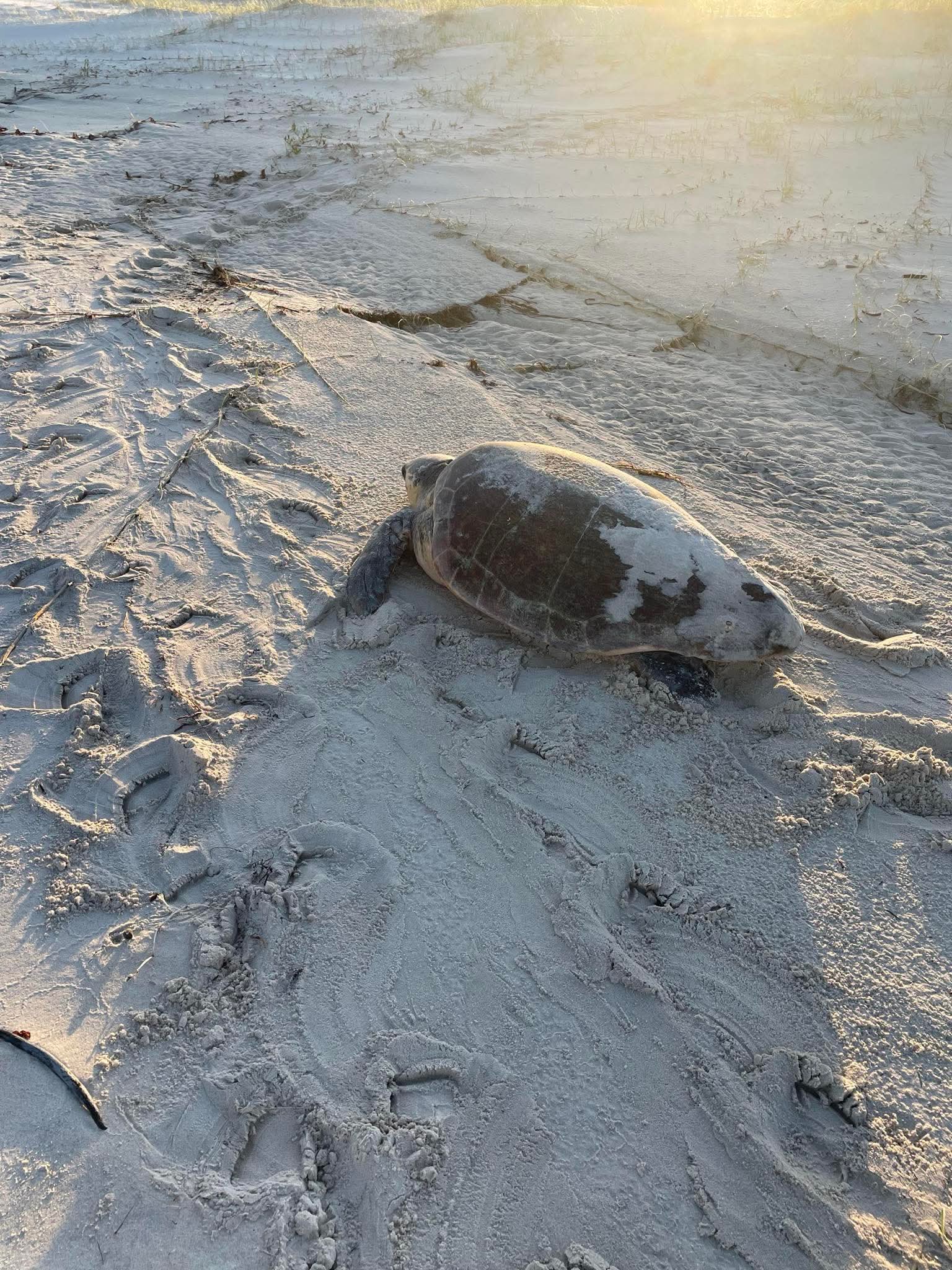
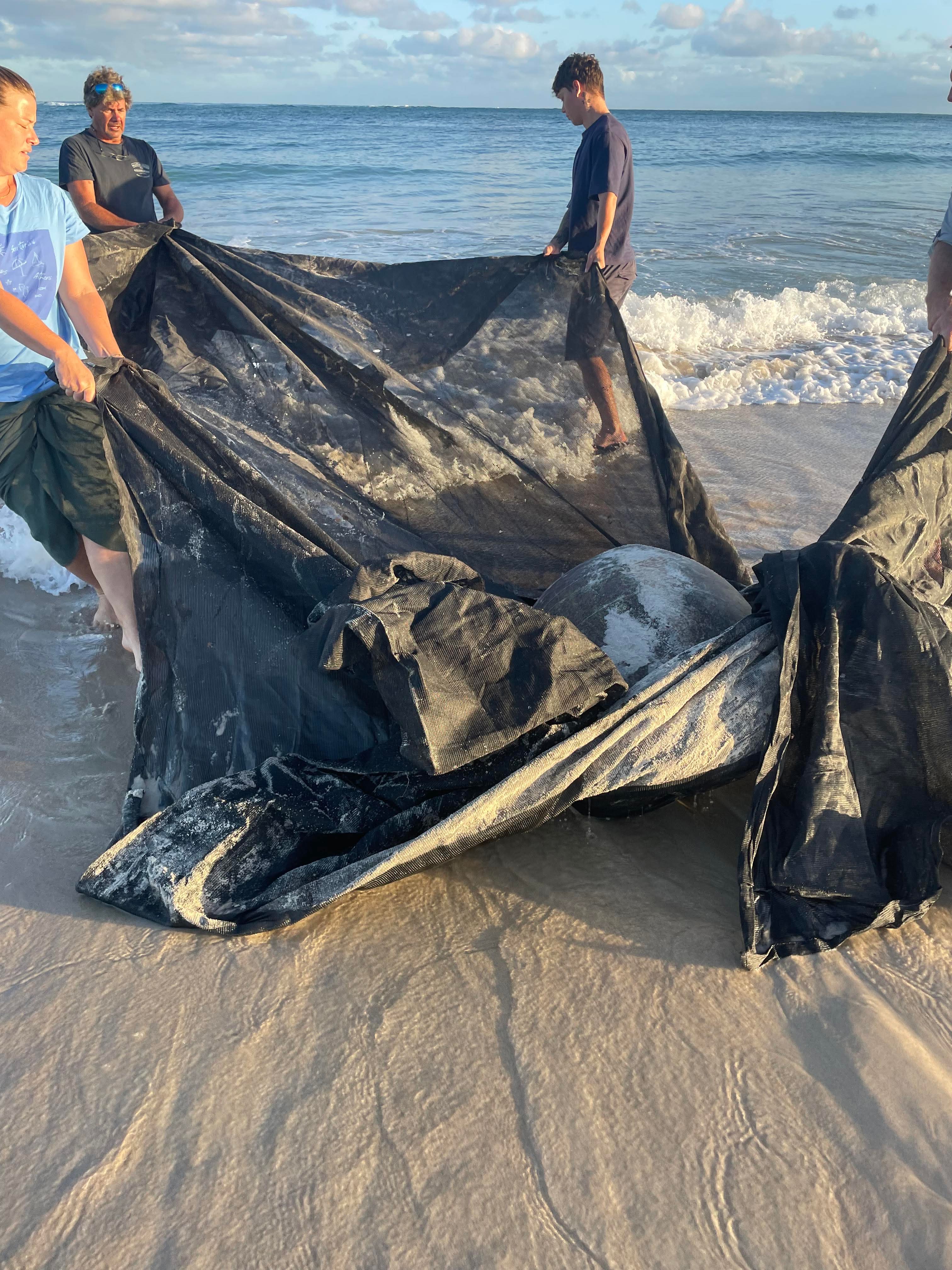
It is important to be aware that Green / Loggerhead turtles lay their clutches up in the sand dunes of Moreton Island and particular tides can make them vulnerable to people driving on the beach and over these clutches.
The best advice when driving is to stay off the dunes.
The turtles usually hatch from 6pm to 10 pm. If you come across some hatchlings please don’t shine a torch on them. This disorients them. Many also still come ashore to lay, late in the year.
Stand back and let them do to their thing. Interfering with them before they get to the water can upset their internal relocation (GPS) for returning to their place of origin.
We can all help the hatchlings by only driving on the beach 2 hours before and after the published low tide time. This will reduce the number of deep 4WD tracks left by those who drive near the dunes at high tide. (Or unfortunately drive over them).
Loggerheads are a vulnerable species and have a low reproductive rate, so it is even more important to protect these beautiful creatures.
Please also note that hatchings also occur at Teewah Beach and Stradbroke Island(s) also.
Don’t destroy what you came to enjoy!
Nicole Robinson is the founder of the Women’s Fishing Classic and a former leader, now advisor, at the Women in Recreational Fishing Network (Queensland).


Jacob Oxlade
Boating & Navigation
As a commercial skipper, one of the first things to stay on top of are the Notices to Mariners. These can be publicly viewed at the Queensland Government website at this link: https://www.qld.gov.au/transport/boating/notices
These notices are updated overnight, and you can subscribe to receive updates for changes in a specific area. Notices may provide permanent or temporary navigation information—and this will be identified. Often this information will result in a chart correction.
TIPS
The bottom end of Moreton Bay can get congested in the right conditions, and in lighter winds, midges can also become more prevalent at the bottom end of the Bay.
Be aware of the reef on the Western corner of Horeshoe Bay, Peel Island – which is great for snorkelling, but also a hazard. Many boaties are unaware of its existence and either run into it, or anchor on top of it.
New lifejacket laws have been in effect in Queensland since 1 December 2024. There has been a “cooling off” period insofar as fines, but people will start being fined for failures to comply.
Staying vigilant around Go-Slow areas is also very important.
It is always good to run paper charts alongside your electronic charts, and this is what we as skippers are encouraged to do. A very usefu, easily portablel paper chart reference for SEQ waterways is the “Beacon to Beacon” — created by Coastwatch Founder, Ken Brown — and available in the Coastwatch Store.
(Ed: Check out Jacob’s “Show Us Your Boat” walk-through of his restored 31 foot Clem Masters launch, “Moreton Maid”.)
Jacob Oxlade is a professional shipmaster and full-time skipper of the South Pacific II and a presenter of Coastwatch.
Phil Clayton
Ocean Swimming
3 Types of Rips
Flash:
These rips can form suddenly and disappear just as quickly, often due to decreasing water levels or increasing wave heights.
Fixed:
These are typically formed when wave pressure breaks in the same spot for an extended period, creating gaps in the sandbars.
Permanent:
These rips remain in place over time and are commonly found near rocky points, groins, seaways, and piers.
How to Spot a Rip:
Rips are easier to identify from an elevated position, such as a sand dune or a beach access point. Look for areas where waves aren’t breaking—these are flat spots in the line of breaking waves. Additionally, watch for foam or sediment carried away from the beach and out to sea.
Be sure to take time to assess conditions before you go for a swim. Swim between the red and yellow flags. If there are none, look for a sandbank so the waves push you back to shore. Be smart, be safe.
Have a great weekend.
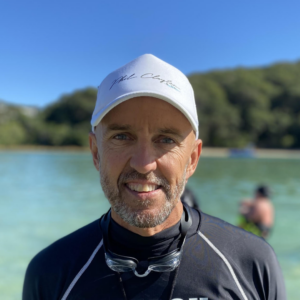
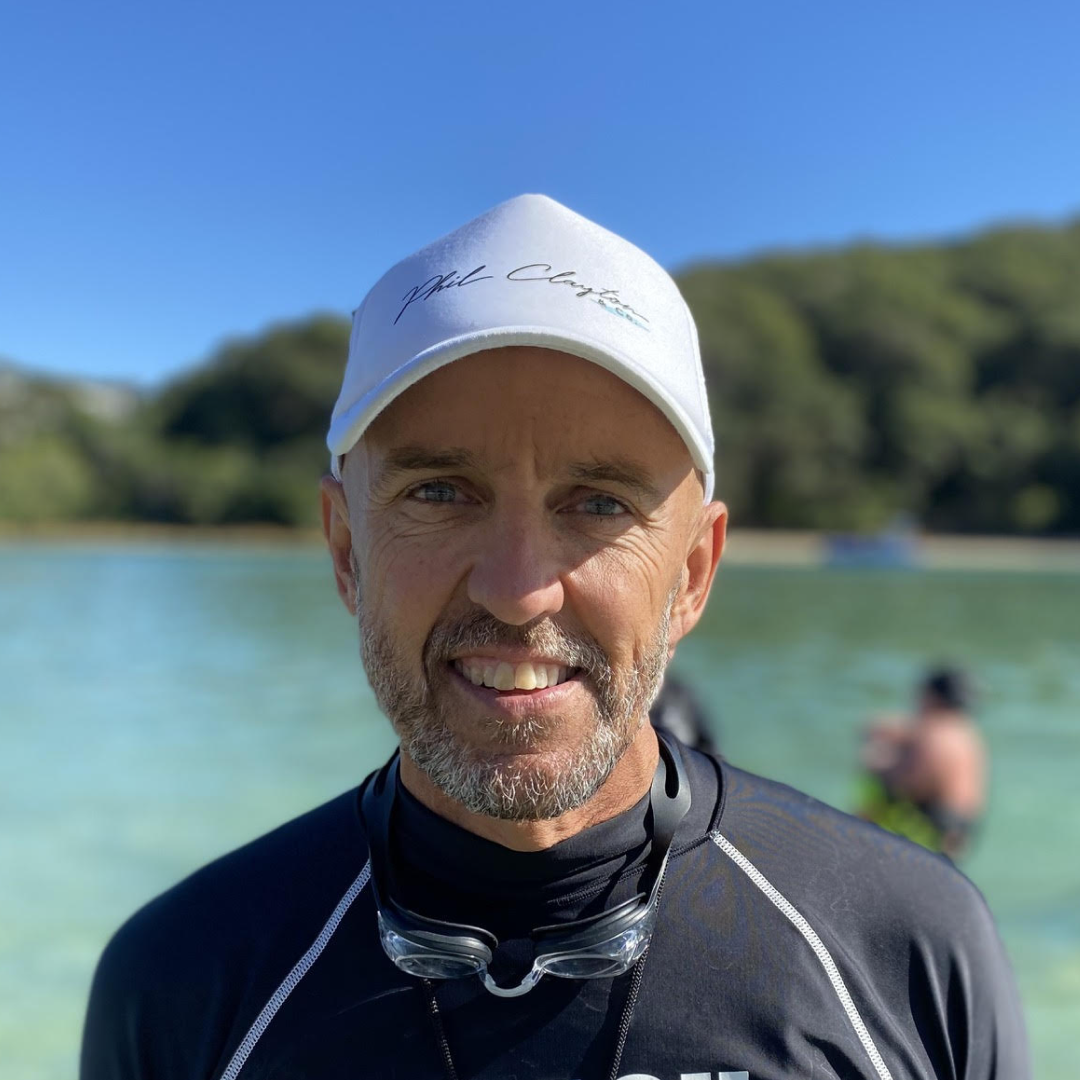
Phil Clayton has developed a love for the ocean through 30+ years of experience as a professional athlete (World Ironman Champion), and coach. Phil has spearheaded a passionate ocean swimming community with his understanding of the surf been sought across Australia and internationally at Olympic level. Phil is the founder of Phil Clayton and Co. https://www.
Nathan Meyer
Surfing, Watersports, Fishing & Beach
Surfing:
With a large swell above 2m from the East or South-east, the Gold Coast and Sunshine Coast produce some of the best waves on the East Coast of Australia.
World class waves like Snapper Rocks, Rainbow Bay, Greenmount, Kirra, Currumbin, Burleigh Heads and Noosa Heads come to life with long perfect waves that are brushed clean with the South-east winds that prevail during the summer months particularly January through to April.
These surfing spots can become extremely crowded, and caution must be taken to avoid injury or damage to your surfboard by colliding with other surfers battling for a wave. After a week or so of strong south winds during the summer months, the Tweed City Council will start pumping sand from the Tweed Seaway to create a safer passage for the boats through the coastal bar.
The sand is dumped to the near by Snapper Rocks and then drifts down towards Kirra to assist in reducing erosion along the beaches. It just so happens that by doing this creates one of the longest right hand point breaks in the world. The next few months will see some great waves along these points.
In between these South-east trade winds, there will be some North-east Sea breezes which will have surfers heading to the northern beaches of the Gold Coast and the spit to find a protected corner out of the wind. On the Sunshine Coast, in The North wind the best spots to check will be Peregian through to Sunshine Beach. Too much swell at theses locations will make difficult conditions, so best in smaller swell conditions under 1.5m.
Ocean Swimming
Through the summer months, it can be a challenge to find a nice safe spot. Often the creeks at Tallebudgera and Currumbin can be a great place to get out of the wind and swell, however, these spots can turn into a brown mess with substantial rainfall. These spots are often better and safer on an incoming tide. The Sunshine Coast provides better ocean swimming conditions in the summer months, with places like Mooloolaba, Alexandra Headland and Noosa Heads will be safest and all provide patrolled swimming areas between the red and yellow flags. You can expect the water temp to be around 25 degrees through the summer months.
Paddleboarding, SUP Foils, and Ocean Skis
For downwind, there are abundant options on the Gold and Sunshine Coast. If the Southeast winds are above 15-20knts the best option on the Gold Coast will be Tweed Seaway through to Currumbin or Burleigh. In the Northeast wind, Gold Coast Seaway to Burleigh is the best angle for wind and swell. This is a good paddling distance for most people and a safe place to come in. Life jackets in these ocean sports is critical and make sure you are always tethered to your craft so as not to lose contact 1-2km offshore. It is advisable to take a mobile phone in a waterproof pouch for extra safety should something go wrong.
On the Sunshine Coast the best downwind paddling courses in the Southeast winds above 15-20knts would be Moffat Beach to Mooloolaba, and in the Northeast wind at 15-20knts Yaroomba to Alexandra Headland is the best course.
Beach walks
On the Gold and Sunshine Coast are a great way to exercise. If you have a pet, make sure you get down there before the red and yellow flags go up which in the summer months is usually about 7.30am. Try to coincide this with a low or outgoing tide early below 0.5m. This should produce some nice hard sand to walk or run on.
Offshore Fishing
Offshore fishing can be tricky during the summer months when the pelagic species like marlin, mackerel, and dolphin fish are close on inshore reefs. Fishing on the Gold and Sunshine Coast requires very light wind conditions.
Typically, the coastal bar crossings at Tweed, GC Seaway, and Noosa can be extremely hazardous in an East swell combined with an outgoing tide. It’s best to cross these coastal bars on an incoming to high tide with minimal swell, below 2m. Keep an eye on the radar for fast moving storms during these months at any time of the day. Water Police frequent all areas of this coastline so make sure you have all the correct safety gear for the vessel you are in.
There are several GPS marker points to fish, however if the wind looks like it may come up early, the inshore reefs on the Gold Coast like the Scottish prince, Mermaid Reef and Palm beach reef can all produce good sized pelagic fish from December to April. If the conditions offshore are unfavourable there are several creeks and rivers that have excellent fishing. Try the Marroochy River or Noosa River on the Sunshine Coast, and on the Gold Coast, the Nerang River, GC Broadwater or Tweed River have a variety of fishing options.
Don’t forget to check out the comprehensive Coastwatch Fishing Report on the website covering Hervey Bay to Yamba.
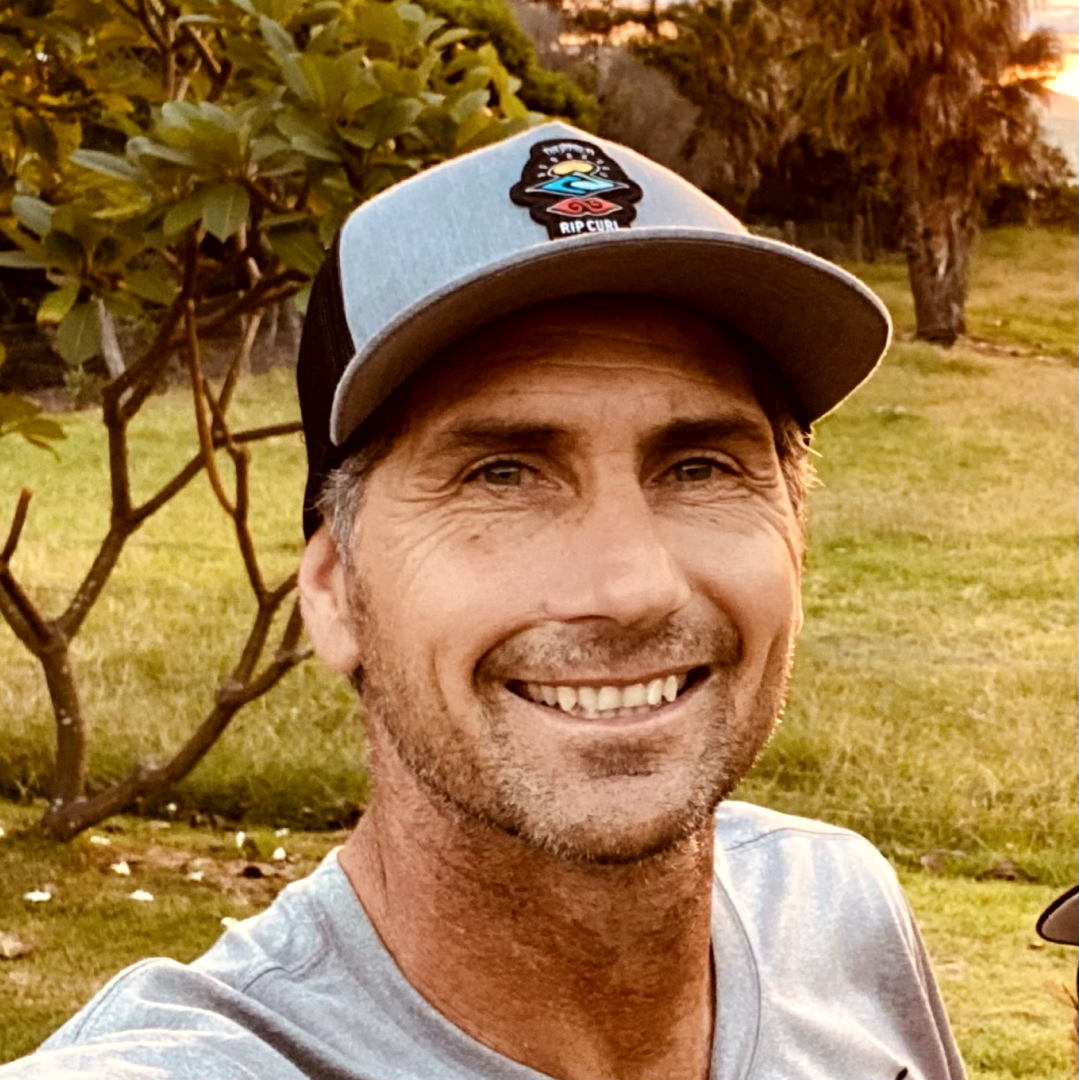
Nathan Meyer is a 2 X World Ironman Champion, with a passion for all things coastal — especially surfing and fishing. Raised on the Gold Coast, and these days a firefighter by trade, Nathan has been a surf lifesaver most of his life and is also an active ocean ski paddler and foiler.
Spero Kartanos
Hook & Cook
So, the weather looks good, and everyone wants to go into Moreton Bay for a fish. Too many boats on the water you say? Well, yes, but the fish still have to eat!… Here are 4 species I like to chase in the Bay.
Always check the BOM site (Ed: and the Coastwatch weather pages that feature BOM data) before you venture into the bay.
Whiting
Every family’s favourite fish.
You can try the Chain Banks, Fisherman’s Gutter, Rous Channel (before the dog leg). Amity Banks and Banana Banks can be plentiful, but you need a good run in the tide and a paternoster rig. Worms, peeled prawns and strips of squid are the go-to baits.
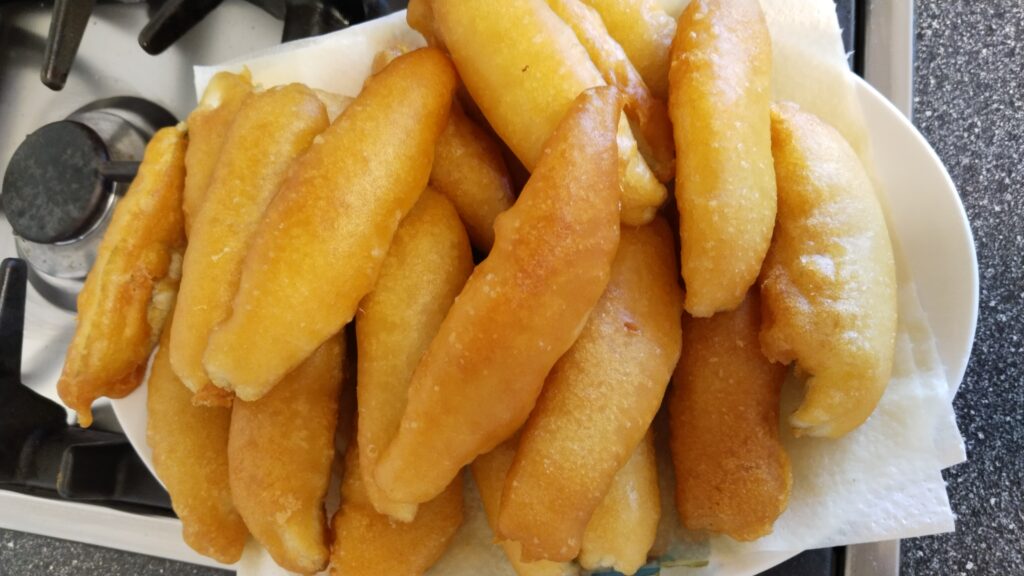
While you are drifting trying to find them, a squid jig in the water behind the boat is a good idea when the tiger squid show up in good numbers. And who would say no to tempura whiting fillets?
Mackerel
Mackerel are across the Bay, especially around the Hope Banks. If the tide is coming in, troll on the southern side with the tide and the reverse with outgoing tide.
There are also pockets of spotty mackerel in the bay so your chances of picking one up when trolling around are pretty good.
Or, you can look for the schools feeding on the surface and flick a chrome slug around the feeding pack.
When trolling you will need a diving board and spoon. Water Tower Bait and Tackle (a Coastwatch Fishing Report Partner) carry these all rigged up ready to use.
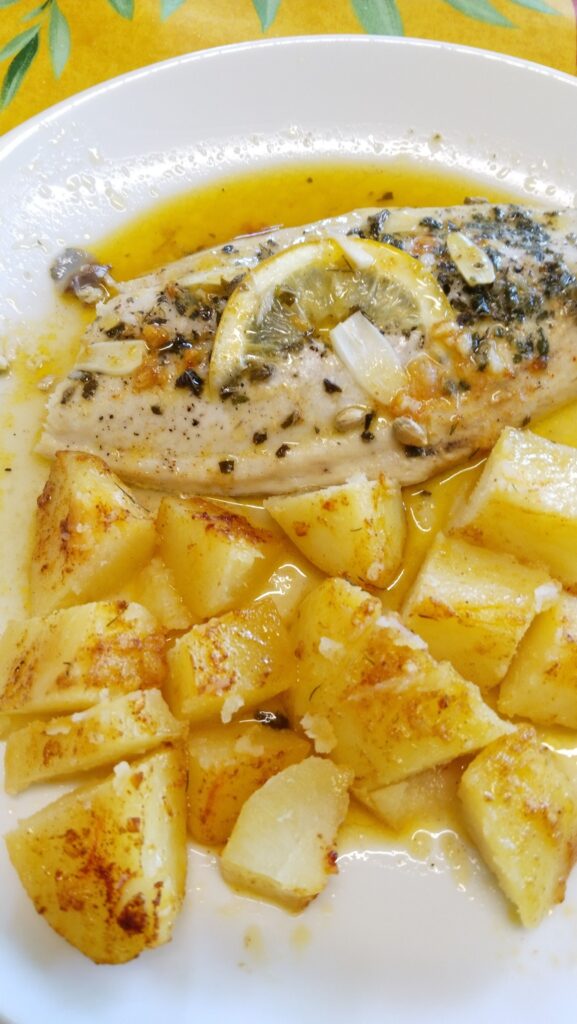
Snapper/ Squire & Sweetlip
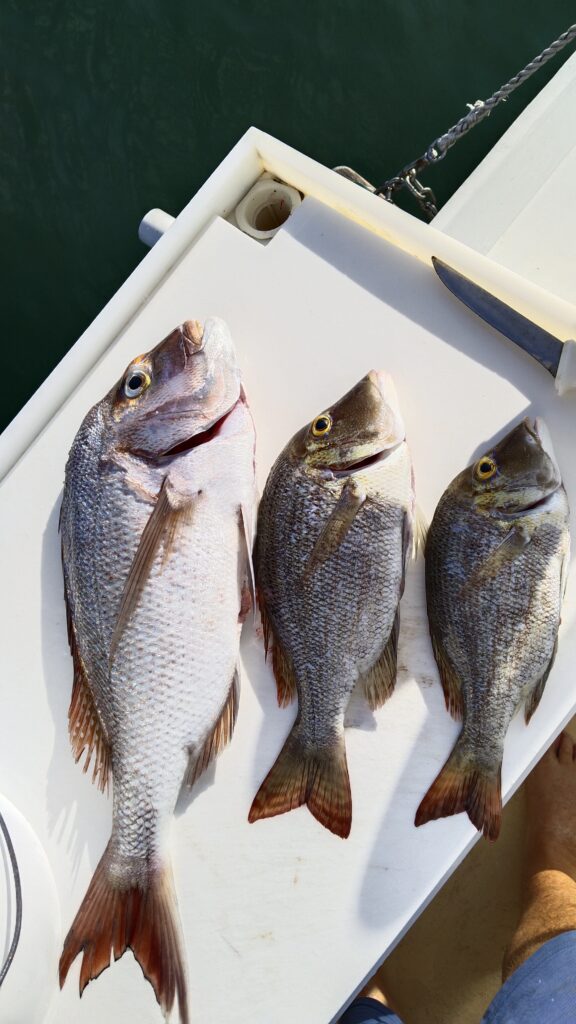
The snapper/squire and sweetlip season yields some nice fish , so a running rig with enough lead to get to the bottom should do the job — with garfish and whiting being my favorite baits.
Squid or mullet flesh will also work. The shallow reefs around the bay islands and the artificial reefs are the areas I would target.
So no excuse not to have a great day on the bay catch a fresh fish for lunch or dinner and enjoy Australia Day weekend.
Good fishing and safe boating!
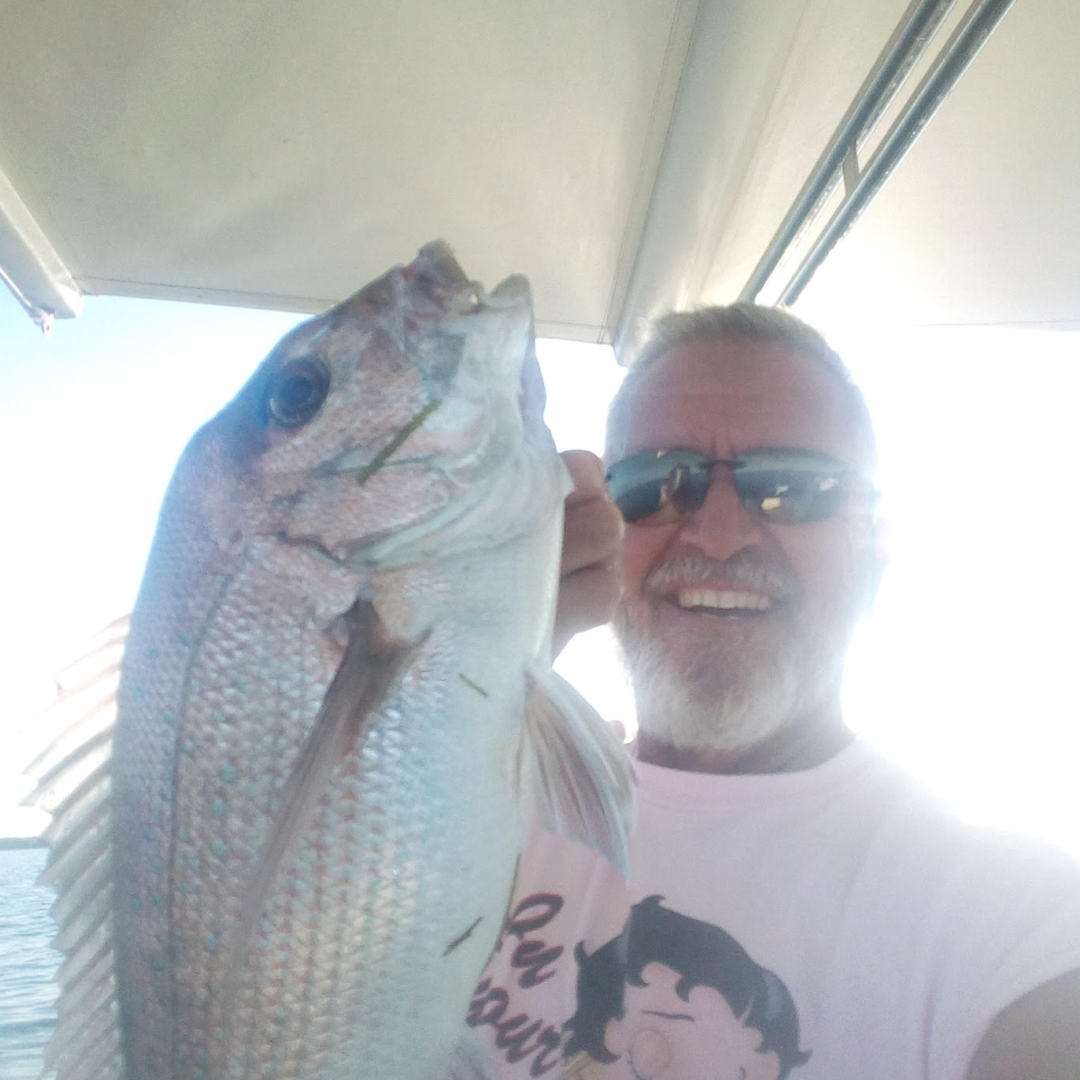
Spero is a local Moreton Bay fishing legend – and a great seafood cook! With decades of experience and local knowledge, Spero is a contributor to a range of fishing publications and enjoys sharing his knowledge.